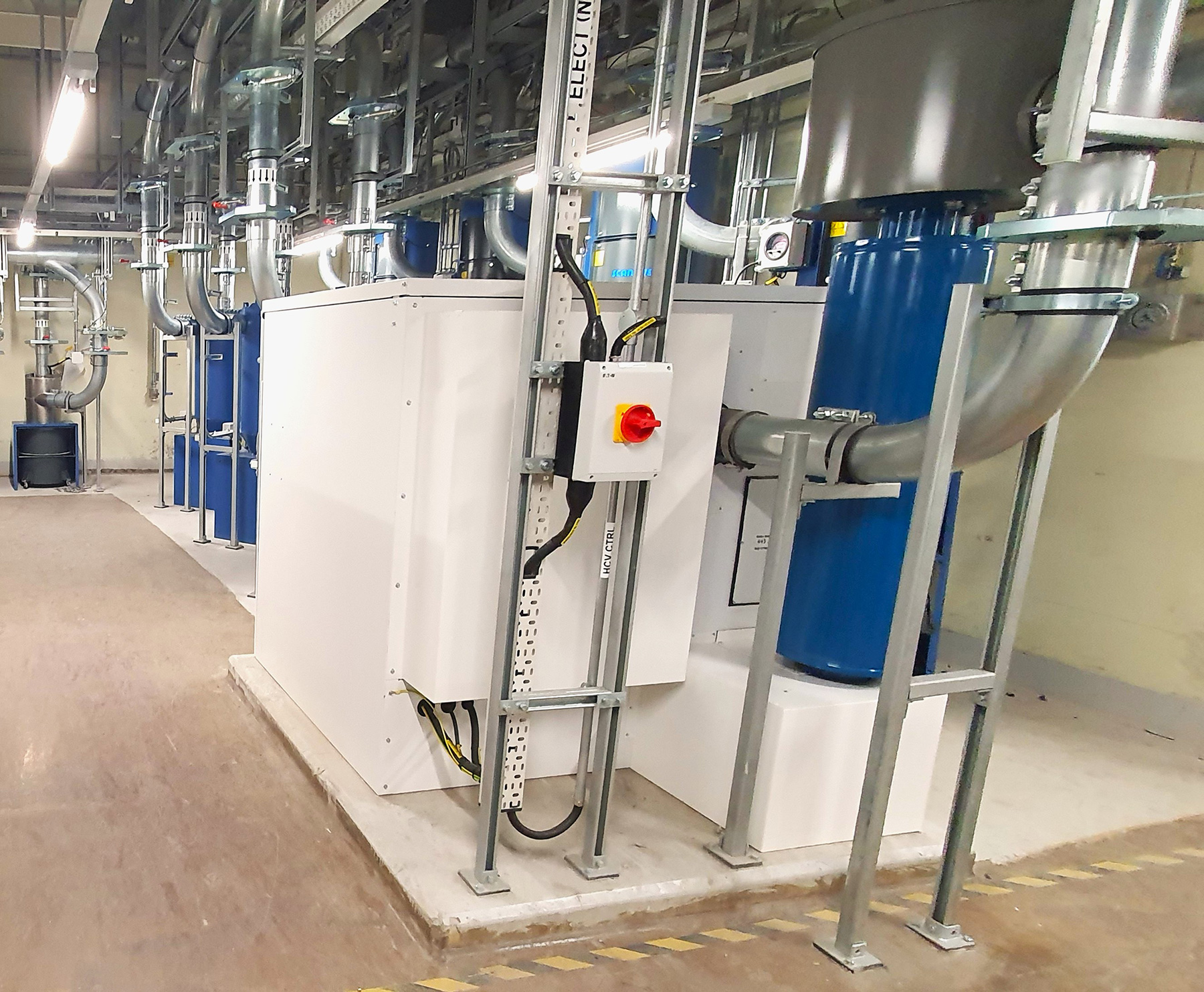
Vacuum systems are crucial in maintaining ultra-clean environments essential for the production of pharmaceuticals and biologics. In sterile fill-finish processes, vacuum chambers help reduce the presence of contaminants by facilitating air exchange, filtration, and cleanroom sealing. This is especially critical for injectable drugs, vaccines, and cell-based therapies, where even trace contaminants can compromise product integrity or patient safety.
Vacuum ovens and dryers are employed to remove moisture from sensitive biological and chemical materials without subjecting them to damaging heat or oxidation. In biomedical labs, these tools are widely used for drying tissue samples, biomaterials, reagents, and lab consumables under low pressure, preserving their structural and chemical integrity.
In biomedical device prototyping and research, vacuum chambers are used in plasma-enhanced processes to alter surface properties of polymers, metals, or glass substrates. Techniques such as plasma bonding, oxygen activation, and parylene coating rely on vacuum environments to create strong molecular bonds, hydrophilic surfaces, or protective layers on microfluidic chips and implant components.

Vacuum-based etching and deposition methods are essential in the creation of microfluidic devices and biosensors. Technologies like reactive ion etching (RIE), physical vapor deposition (PVD), and chemical vapor deposition (CVD) are carried out in high-vacuum systems to achieve nanoscale precision. These devices are foundational for lab-on-chip diagnostics, point-of-care testing, and personalized medicine platforms.
Vacuum furnaces are widely applied in the fabrication of high-strength, biocompatible medical implants and tools. Processes like sintering and brazing in a vacuum environment allow materials to be bonded or fused at high temperatures without oxidation or contamination, enhancing the reliability and performance of surgical instruments, orthopedic implants, and endoscopic components.

Vacuum technology also finds application in the development of porous scaffolds used in tissue engineering. Techniques that involve vacuum-assisted casting or nanoporous templating are used to produce biodegradable matrices that mimic the extracellular environment—supporting cell adhesion, nutrient transport, and tissue regeneration.