Vacuum Degassing
Vacuum Technology in Vacuum Degassing: Enhancing Efficiency Across Industries
Vacuum technology has transformed industrial processes, enabling cleaner, faster, and more efficient production. One of the most critical applications of this technology is vacuum degassing, a process that removes unwanted gases, bubbles, or impurities from liquids and molten materials. From metals to polymers, vacuum degassing improves product quality, reduces defects, and enhances operational efficiency across multiple industries.
What is Vacuum Degassing?
Vacuum degassing is the process of extracting dissolved gases or entrapped air from liquids or molten materials using a controlled vacuum environment. Gas bubbles, if left in the material, can cause porosity, weak structural integrity, or surface defects. By creating a vacuum, the solubility of gases decreases, causing them to escape from the material. This is critical in processes where purity and performance are essential.
The process is widely used in industries such as metallurgy, food processing, chemical manufacturing, and pharmaceuticals, each benefiting uniquely from vacuum-assisted degassing.
How Vacuum Technology Works in Degassing
A typical vacuum degassing system includes:
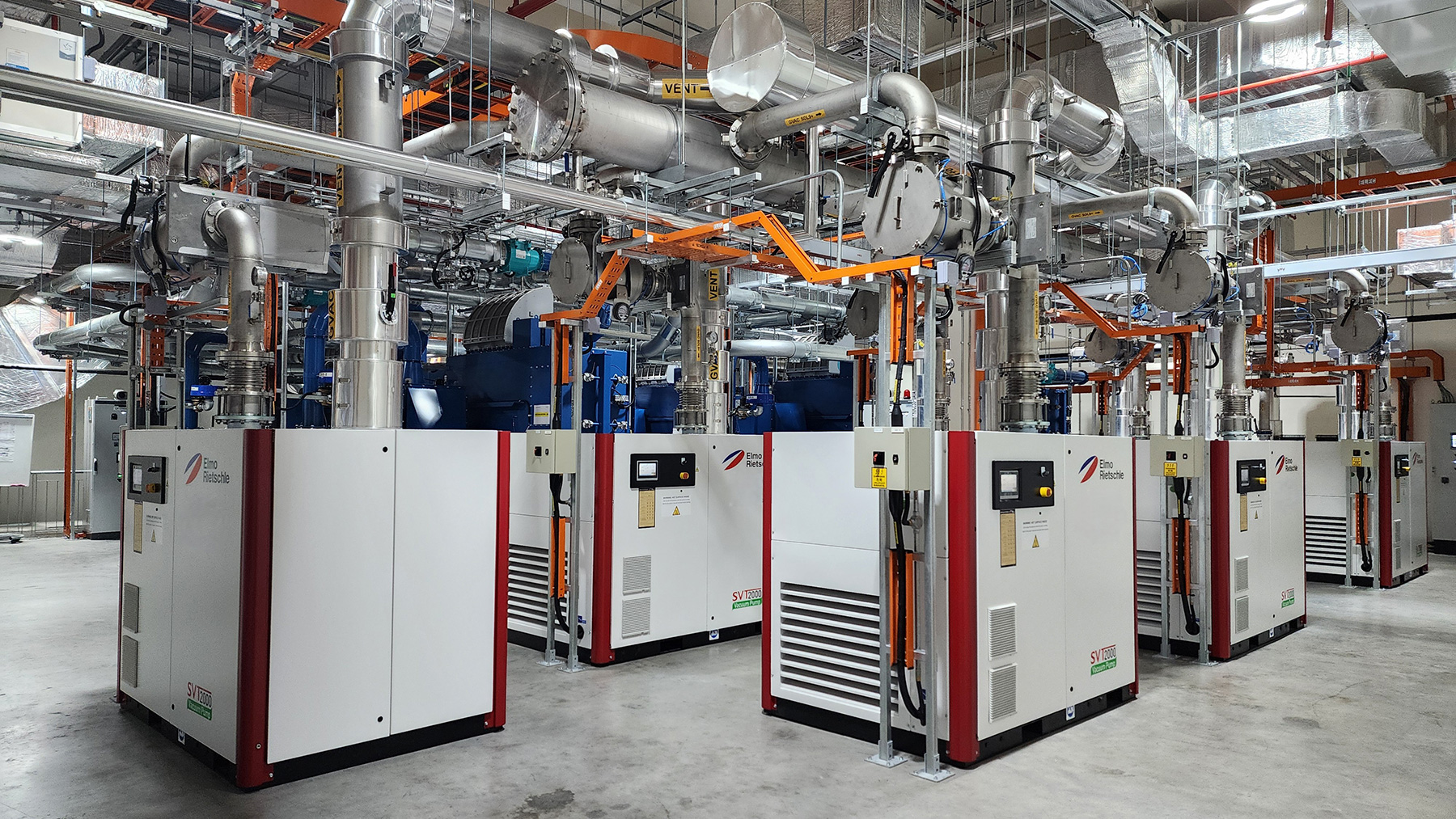
- Vacuum Pump: Creates a low-pressure environment, lowering the boiling point of gases and facilitating their removal. Common pumps include rotary vane pumps, dry screw pumps, and liquid ring pumps.
- Degassing Chamber: The liquid or molten material is placed in a sealed chamber connected to the vacuum pump.
- Control System: Monitors pressure, temperature, and degassing duration to ensure optimal removal of gases.
- Outlet System: Gases and vapors are safely vented or filtered before the degassed material is collected.
The process is highly adaptable, with systems designed for batch or continuous operation depending on production requirements. Advanced systems may integrate automation, sensors, and temperature control to achieve precise degassing without compromising material quality.
Applications Across Industries
Advantages of Vacuum Degassing Technology
- Improved Product Quality: Eliminates bubbles and porosity, resulting in stronger, defect-free products.
- Increased Production Efficiency: Reduces the need for rework or scrap, saving time and costs.
- Enhanced Material Properties: Ensures consistency, transparency, and mechanical strength.
- Environmentally Safer Processes: Controlled removal of gases and vapors reduces emissions and contamination.
Why Integrating Vacuum Technology is Essential
By integrating vacuum technology into degassing systems, industries can achieve precision and repeatability that manual or conventional methods cannot match. Automated vacuum degassing systems optimize process parameters, reduce human error, and ensure scalability for high-volume production. This integration is especially critical for industries like aerospace, medical devices, and high-end manufacturing, where quality cannot be compromised.