Vacuum Filtration
Vacuum Technology in Vacuum Filtration: How It Works and Why It Matters
Modern industries demand processes that are fast, efficient, and capable of producing high-quality results. One of the most powerful tools enabling this is vacuum technology, particularly in the area of vacuum filtration. By using negative pressure to speed up solid-liquid separation, vacuum filtration has become a vital process in pharmaceuticals, chemicals, food production, mining, and wastewater treatment.
What is Vacuum Filtration?
Vacuum filtration is a mechanical separation process that uses vacuum pressure to draw liquid through a filter medium, leaving solids behind. Unlike simple gravity filtration, which relies only on weight and time, vacuum filtration accelerates the process by applying suction. This results in:
- Faster processing times
- Drier solids (known as filter cake)
- Higher recovery of valuable liquids
- More consistent quality of filtrate
- Because of these benefits, vacuum filtration is widely used wherever precise, reliable, and large-scale separation is needed.
How Does a Vacuum Filtration System Work?
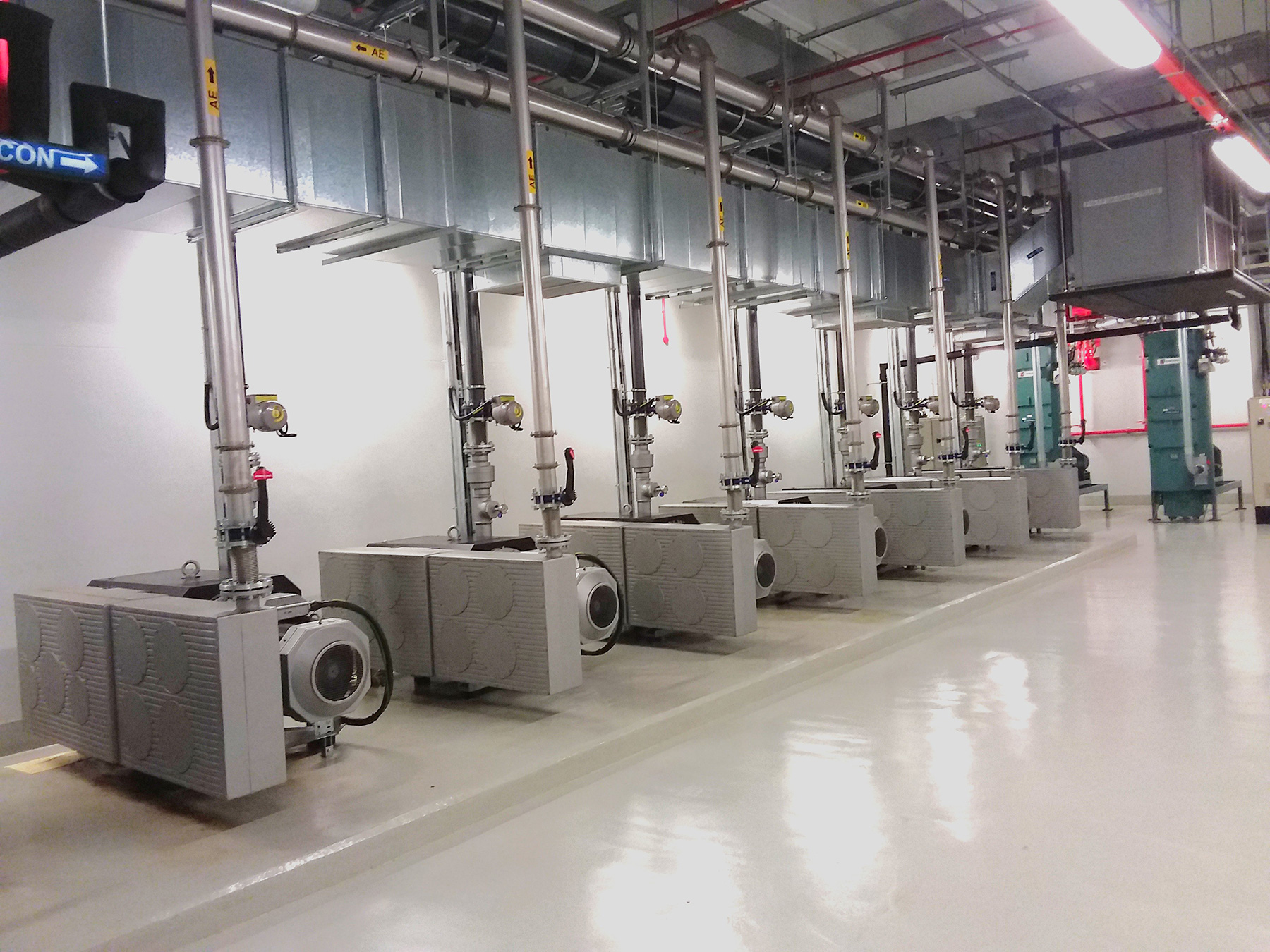
A vacuum filtration system is designed to handle slurries—mixtures of solids suspended in liquids—by pulling the liquid through a filter medium with negative pressure. Below is a step-by-step explanation of the process:
1. Vacuum Source
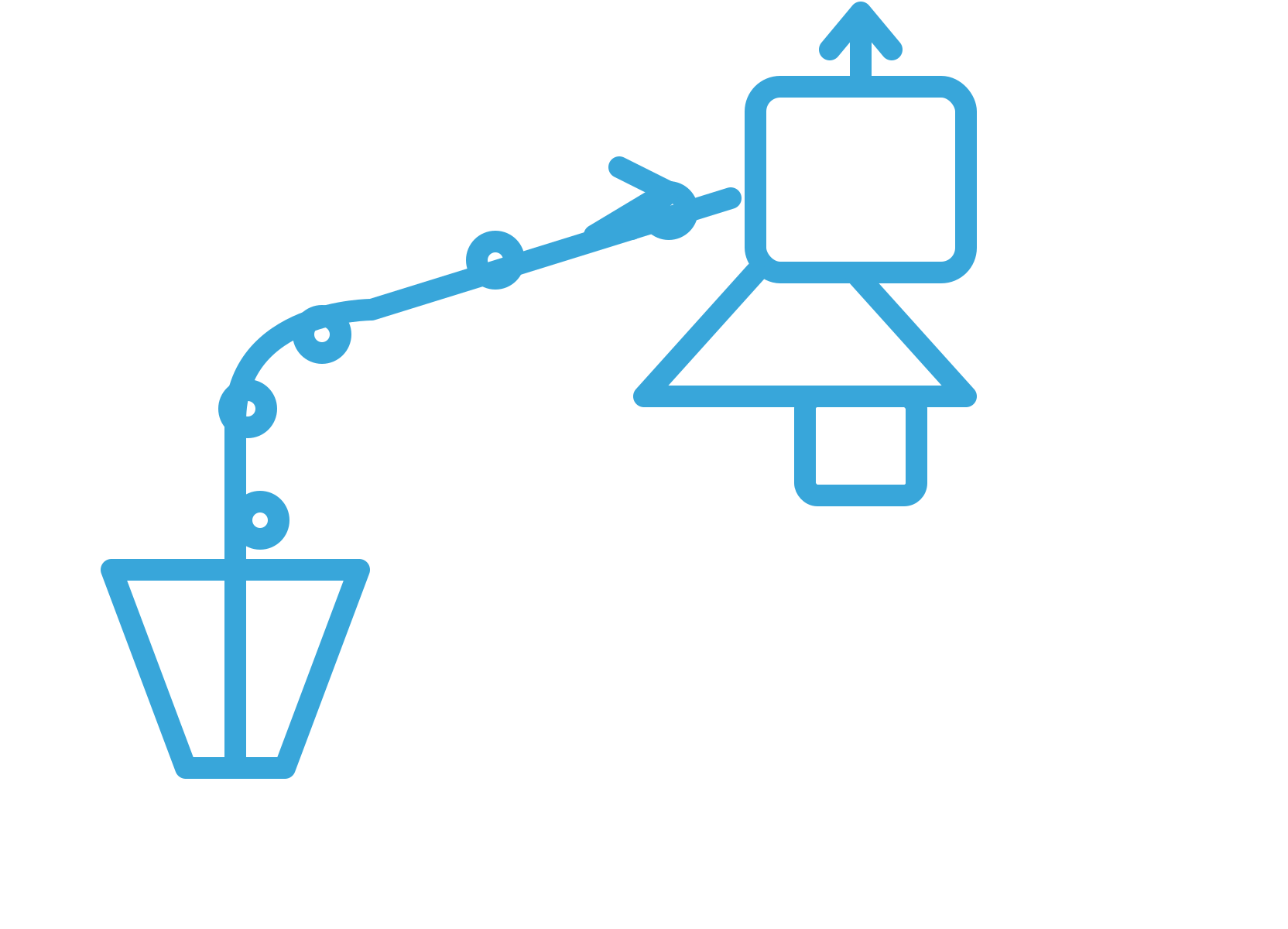
- At the heart of the system is a vacuum pump or a centralized vacuum plant. This creates negative pressure, which acts as the driving force for separation.
2. Slurry Introduction
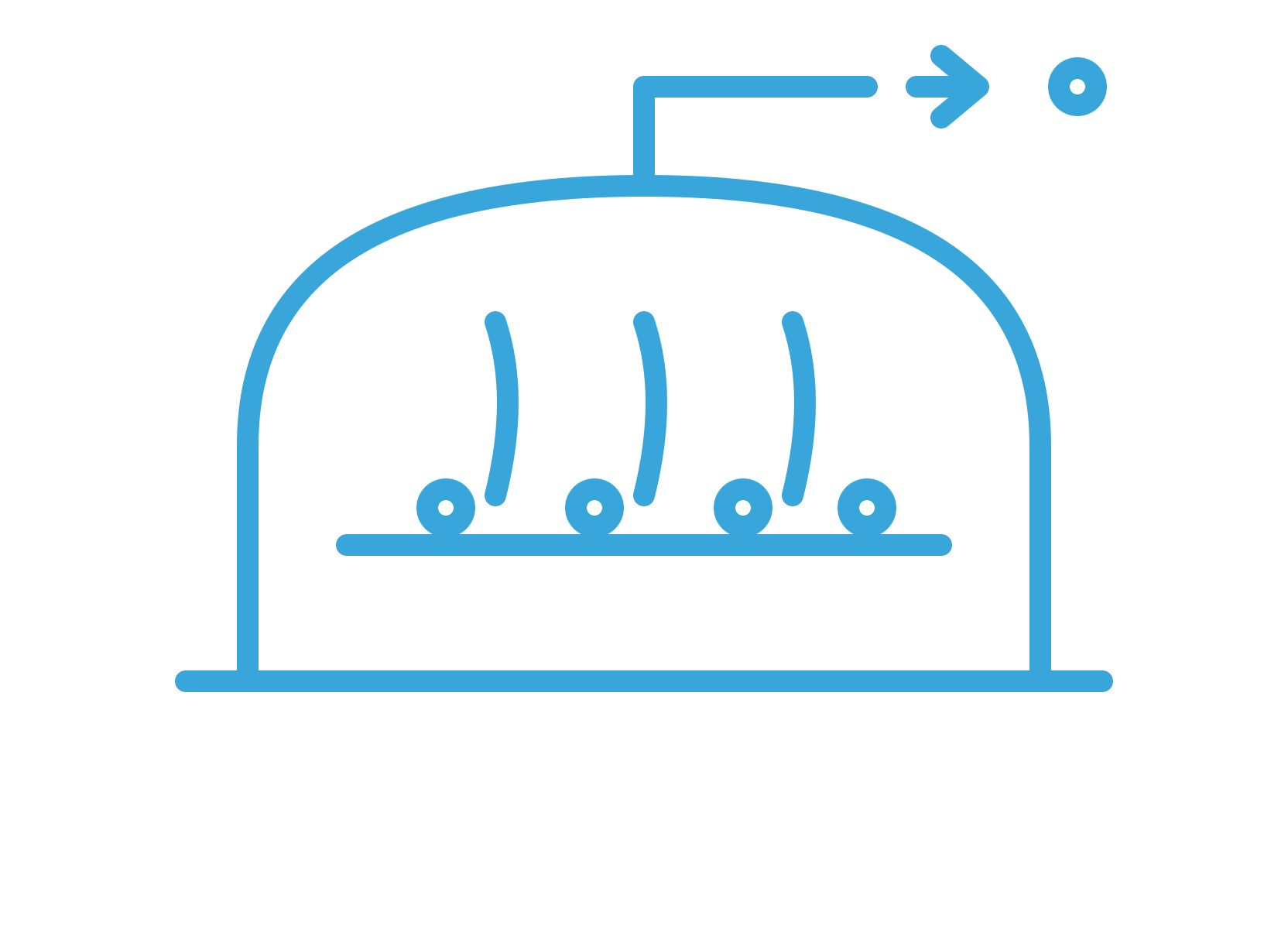
- The slurry is poured or pumped into a filtration chamber, where it comes into contact with a specialized filter medium.
3. Filter Medium
- A filter cloth, paper, or membrane is installed inside the chamber. This medium allows liquid to pass through but captures the solid particles.
4. Vacuum Draw
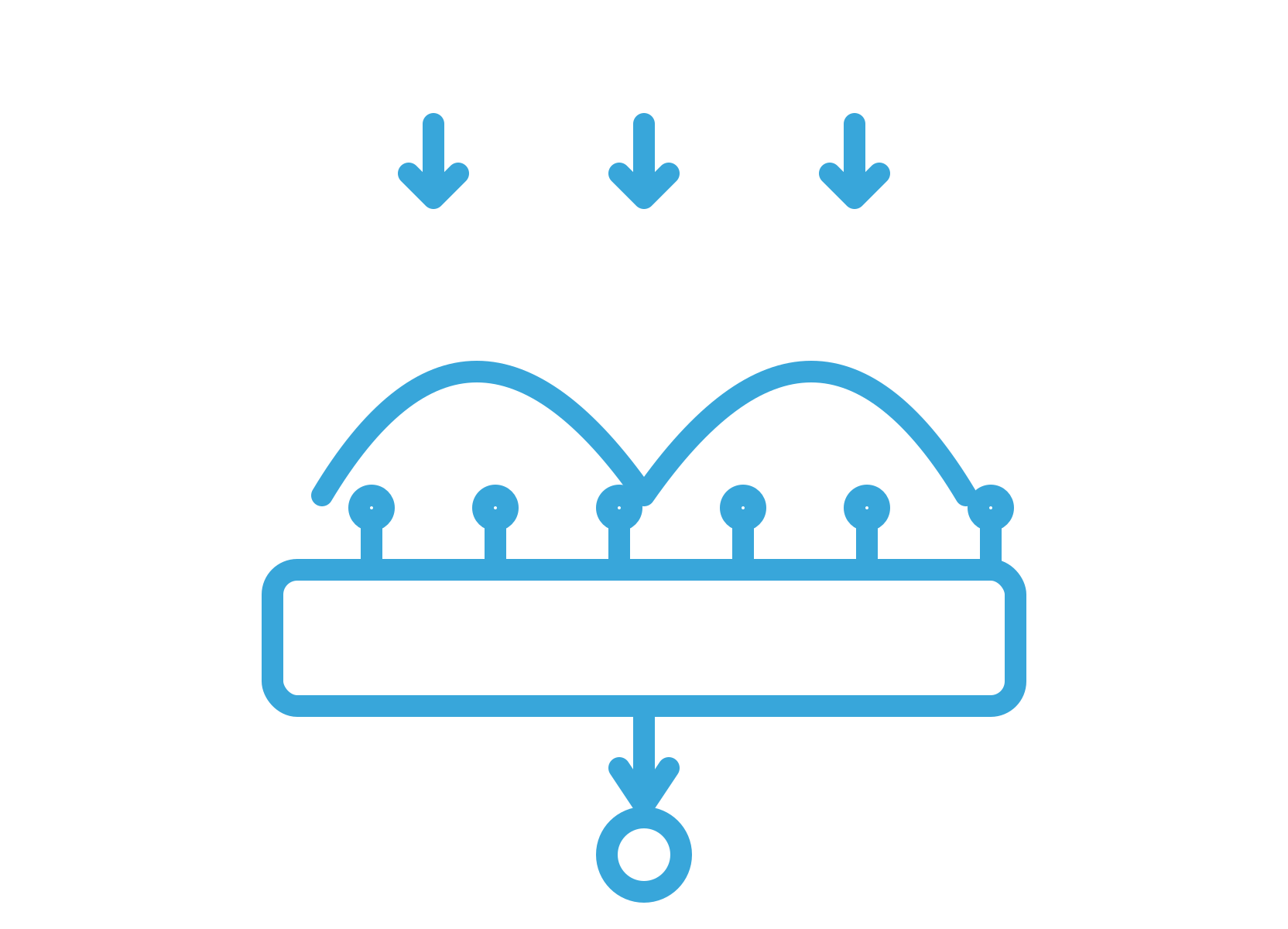
- The applied vacuum pulls the liquid (called the filtrate) downwards through the filter medium into a collection vessel. Because of the pressure difference, the liquid passes quickly and efficiently, even if the slurry is thick.
5. Filter Cake Formation
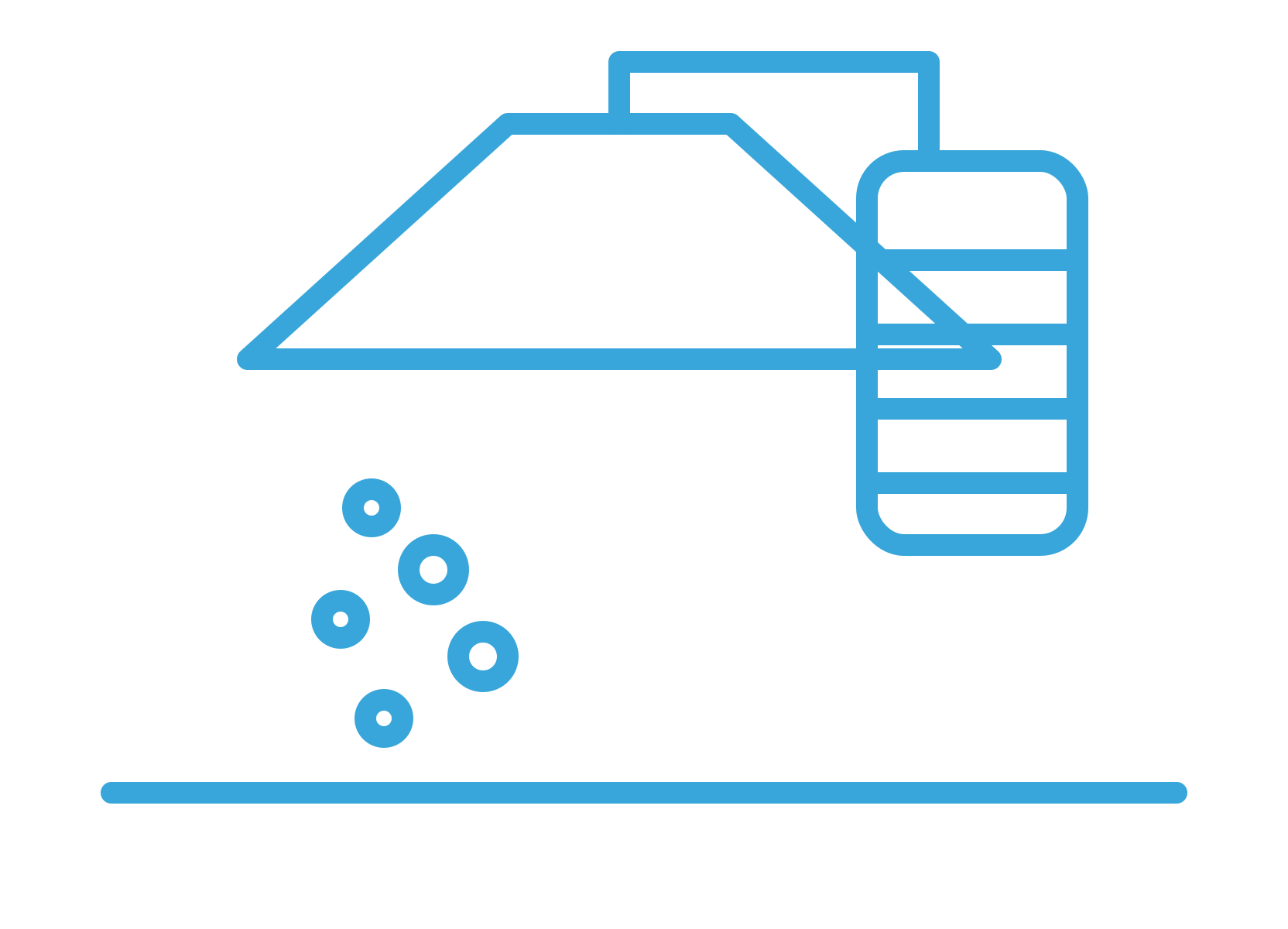
- As more liquid is pulled away, the solid particles accumulate on the filter surface, forming a filter cake. The vacuum continues to extract liquid from the cake, reducing its moisture content.
6. Collection & Discharge
- Filtrate: The collected liquid is stored for reuse, treatment, or further processing.
- Solid Cake: Once dry enough, the solid residue is discharged for downstream use or disposal.
7. System Regeneration
- The filter medium is cleaned or replaced, and the cycle begins again, allowing continuous or batch operation depending on the application.
Applications of Vacuum Filtration in Different Industries
- Used for sterile filtration of active ingredients and removal of impurities.
- Ensures contamination-free handling of sensitive compounds.
- Separates catalysts, fine chemicals, and solvents.
- Delivers consistent purity and improved production efficiency.
- Used in sugar refining, wine clarification, juice concentration, and brewing.
- Maintains product flavor and nutritional value while speeding up processing.
- Handles dewatering of mineral slurries and concentrates.
- Produces drier solids, cutting downstream drying costs and energy consumption.
- Applied in sludge dewatering, pollutant removal, and water recovery.
- Helps industries reduce waste volume and meet environmental regulations.
Key Benefits of Vacuum Filtration
- Faster separation than gravity-based methods
- Higher efficiency with drier solids and more liquid recovery
- Cost savings from reduced drying times and energy use
- Scalability for laboratories, pilot plants, and full-scale industrial operations
- Consistent quality across multiple production runs