Clean Room Handling
How Vacuum Technology Supports Clean Room Handling Across Industries
Clean rooms are specialized environments where air purity, particle control, and precise handling are critical. Industries such as semiconductor manufacturing, pharmaceuticals, biotechnology, food processing, aerospace, and medical devices rely on controlled conditions to maintain product quality and safety. At the core of these operations is vacuum technology, a vital solution for contamination-free handling and efficient clean room processes.
How Vacuum Technology Enhances Clean Room Operations
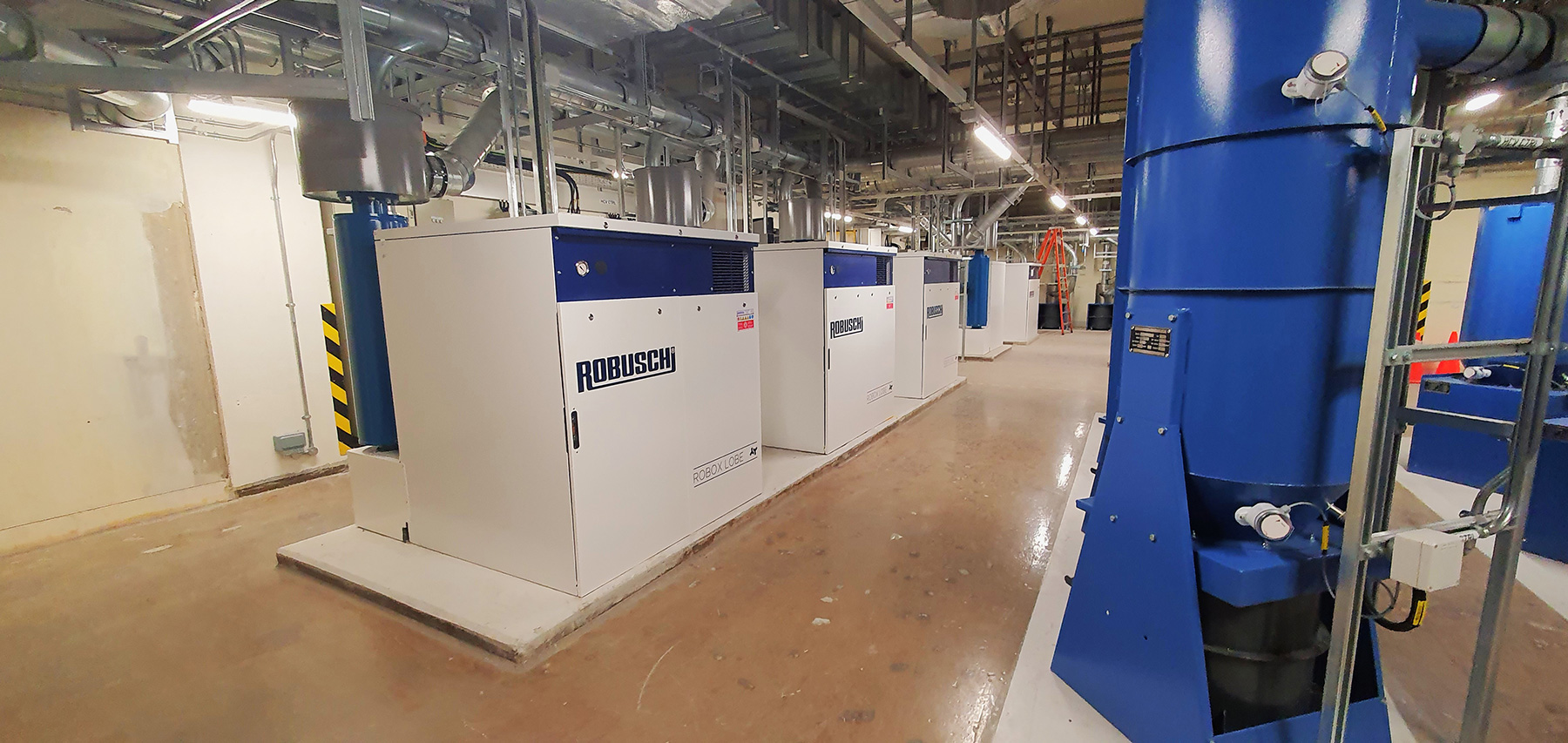
Vacuum technology plays a critical role in clean room operations by enabling the transfer, containment, and processing of delicate materials without direct contact. By establishing regulated suction and pressure differences, vacuum systems help avoid cross-contamination and minimize particle production—essential elements for upholding ISO-classified clean room criteria.
Key contributions of vacuum technology in clean rooms include:
- Particle Control: High-efficiency vacuum systems remove micro-dust, chemical vapors, and contaminants, preventing product defects.
- Sterile Handling: Vacuum-assisted transport and sealing systems reduce human contact, preserving sterility.
- Precision Placement: Vacuum grippers and wafer handling tools provide micrometer-level accuracy in component alignment.
- Energy Efficiency: Centralized vacuum systems reduce air turbulence compared to traditional air-blowing methods, lowering energy costs.
- Industry Applications
- Clean room wafer handling depends heavily on vacuum grippers and suction-based transfer systems. These technologies allow for precise movement of fragile wafers, chips, and micro-components without scratching or introducing particles. Vacuum pumps also maintain ultra-clean atmospheres inside lithography and etching chambers, ensuring consistent semiconductor yields.
- In sterile drug manufacturing, vacuum systems assist in capsule filling, powder transfer, and vial sealing. By using vacuum conveyors, powders can be moved without generating airborne dust, safeguarding both operators and product integrity. Vacuum containment solutions also help control active pharmaceutical ingredients (APIs) that require strict handling.
- Food processing facilities often operate clean room zones where hygiene is paramount. Vacuum technology enables contact-free packaging, vacuum-sealed preservation, and hygienic product transfer lines that meet stringent safety regulations. For example, vacuum conveyors can move ingredients like milk powder or nutritional supplements into mixers without contamination.
- In composite material manufacturing, vacuum bagging techniques are essential for curing aerospace-grade components in clean rooms. Vacuum chambers also support testing and quality assurance by simulating extreme pressure and space-like environments while keeping conditions contamination-free.
- From surgical instruments to implants, medical device manufacturing requires the highest cleanliness levels. Vacuum handling ensures micro-parts are picked, placed, and packaged without introducing surface contamination. Vacuum sealing in sterile blister packs further protects devices until they reach hospitals and clinics.
Why Vacuum Technology Matters in Clean Rooms
In today’s highly competitive industries, maintaining clean room compliance is not just a requirement but a differentiator. Vacuum technology provides the reliability, efficiency, and precision that modern manufacturing demands. By reducing contamination risks and ensuring consistent handling, it plays a central role in delivering safe, high-quality products across global markets.