Vacuum Transfer or Conveying
Vacuum Technology in Vacuum Transfer and Conveying: How It Works Across Industries
Vacuum technology plays a crucial role in modern material handling systems, especially through Vacuum Transfer or Vacuum Conveying. This method uses controlled vacuum pressure to move powders, granules, small parts, or bulk solids from one location to another in a clean, efficient, and enclosed manner. Unlike traditional mechanical conveying systems, vacuum conveying ensures product integrity, minimizes dust emissions, and supports high standards of safety and hygiene.
Across industries such as pharmaceuticals, food processing, chemicals, plastics, and manufacturing, vacuum transfer systems have become the preferred solution for handling materials where cleanliness, automation, and reliability are essential.
What is Vacuum Transfer or Conveying?
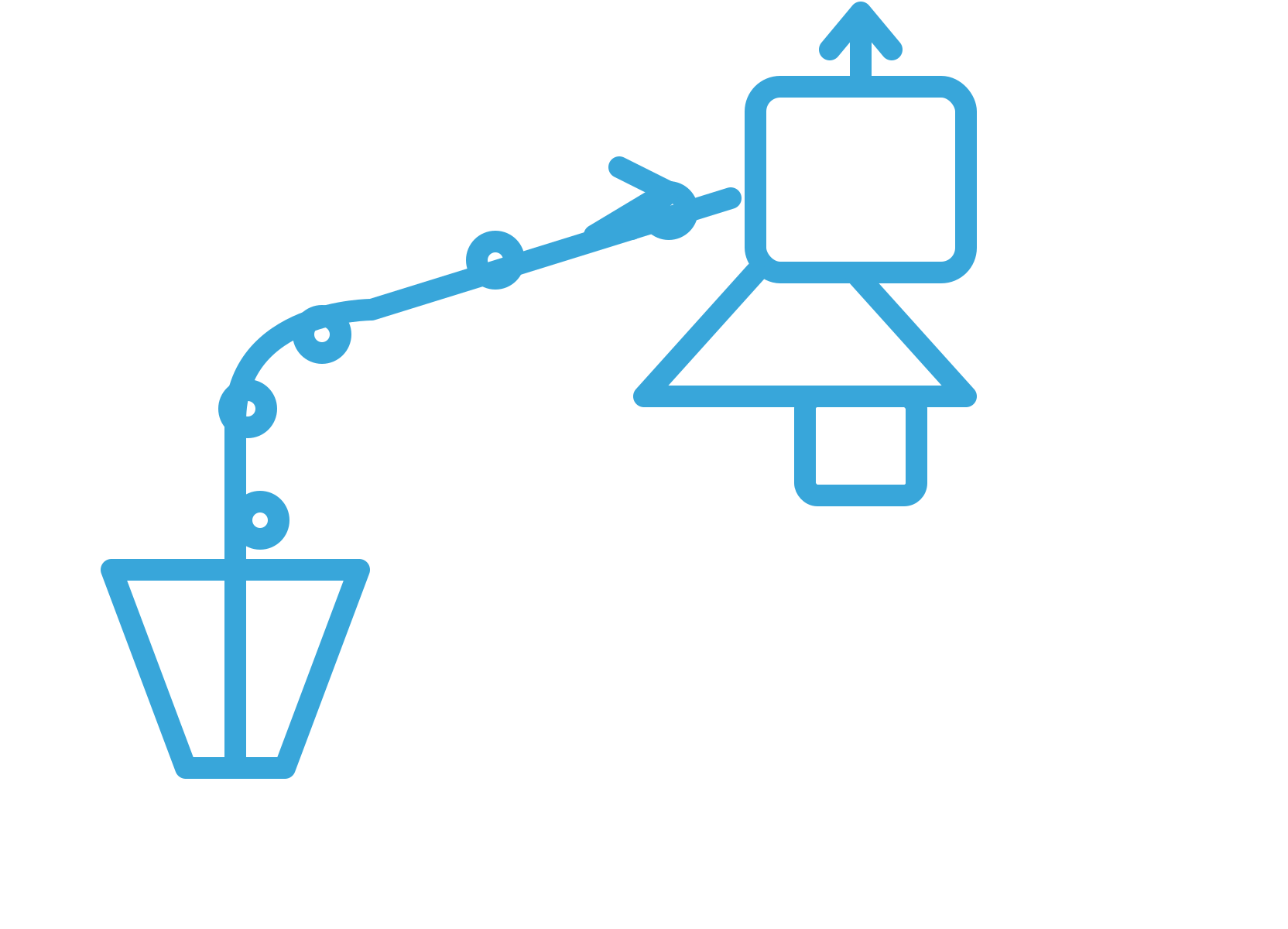
Vacuum Transfer (or Vacuum Conveying) is a system designed to transport dry bulk materials through pipelines using suction generated by vacuum pumps or blowers. Instead of relying on mechanical belts, augers, or screw conveyors, the material is gently moved inside sealed pipelines, reducing contamination risks and ensuring dust-free transfer.
This method is highly adaptable, capable of transferring materials over short or long distances, horizontally or vertically, with precise control over flow rates and delivery points.
How Vacuum Transfer Systems Work
A typical Vacuum Conveying System consists of the following key components:
- Vacuum Pump or Blower – Generates the negative pressure required to create suction and move material through the pipeline.
- Feed Point (Inlet) – Where material is introduced into the system, often from a hopper, bag dump station, or bulk container.
- Transfer Pipeline – A sealed tube or pipe network through which material travels under vacuum conditions.
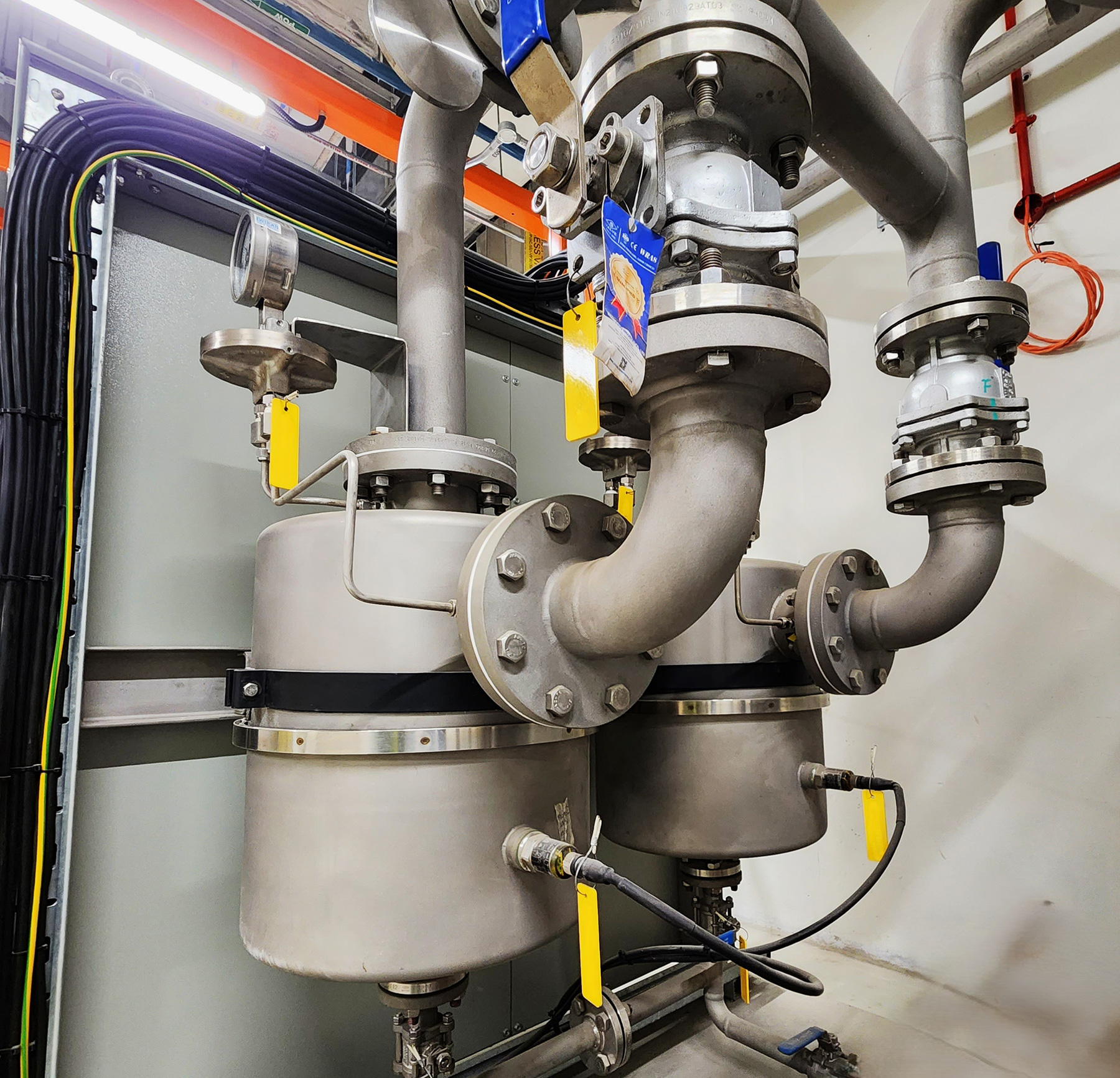
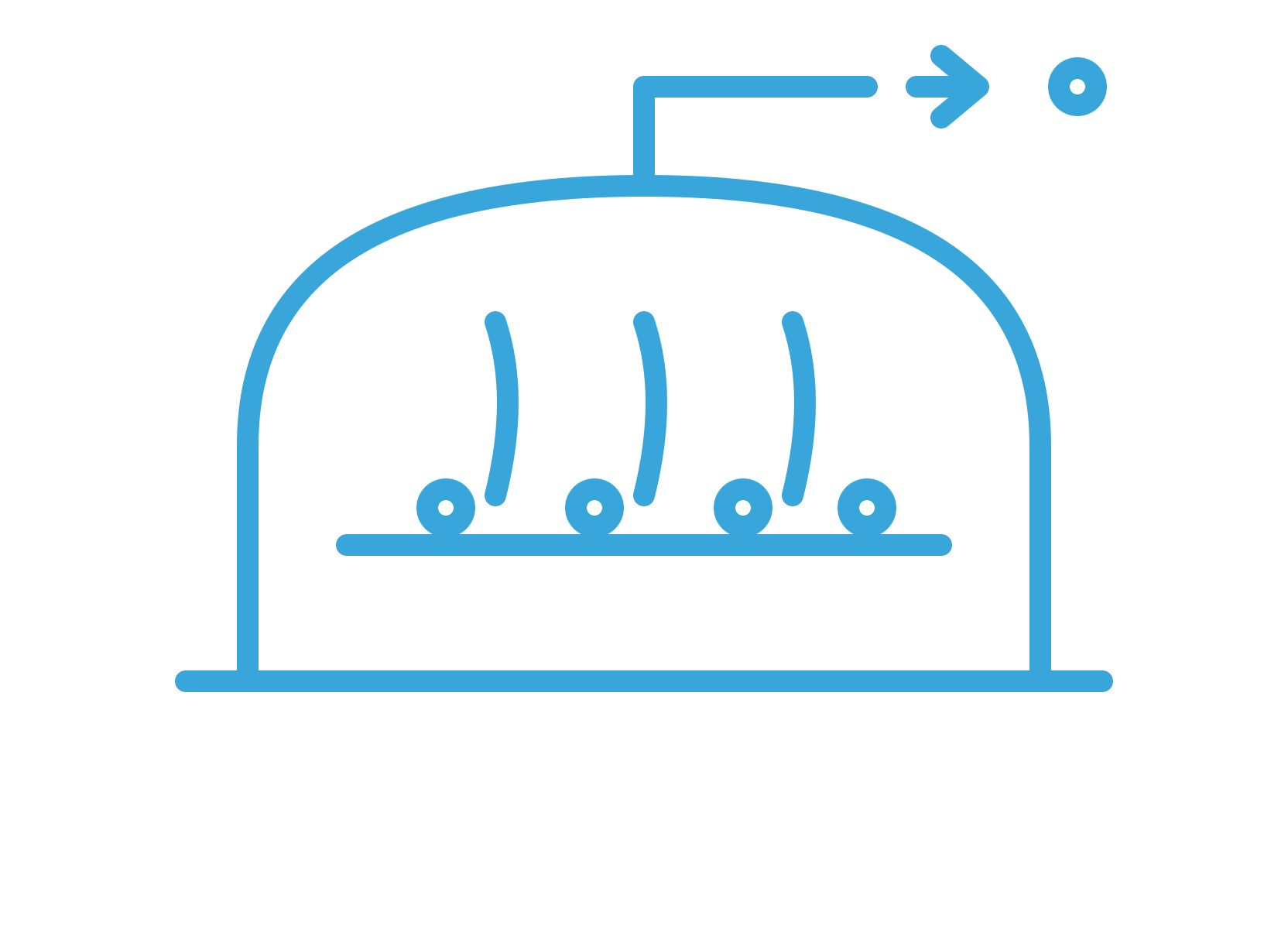
- Receiver (Vacuum Receiver or Separator) – A chamber where the conveyed material is collected and separated from the air stream.
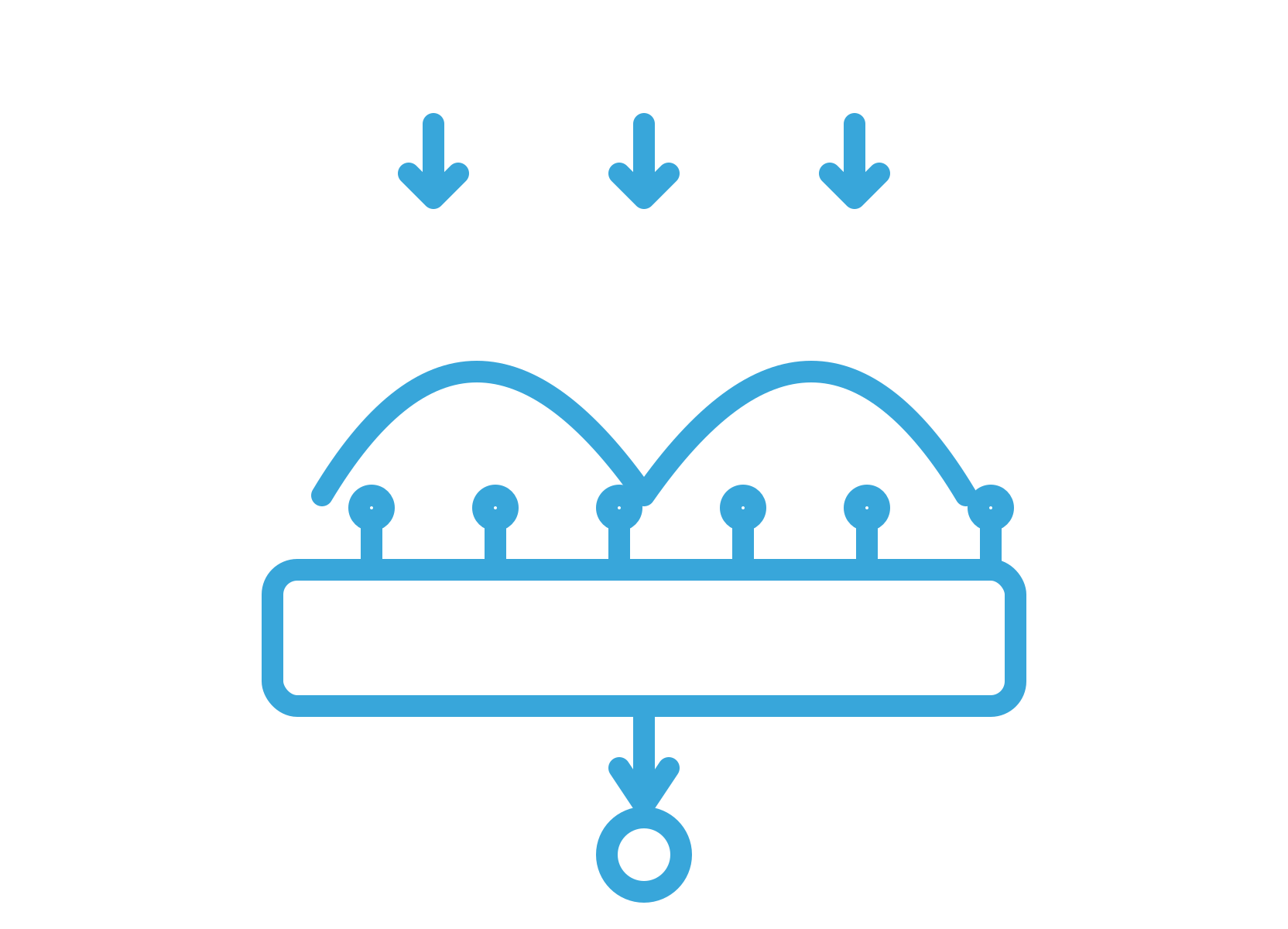
- Filtration Unit – Ensures that dust and fine particles do not escape into the environment and protects the pump.
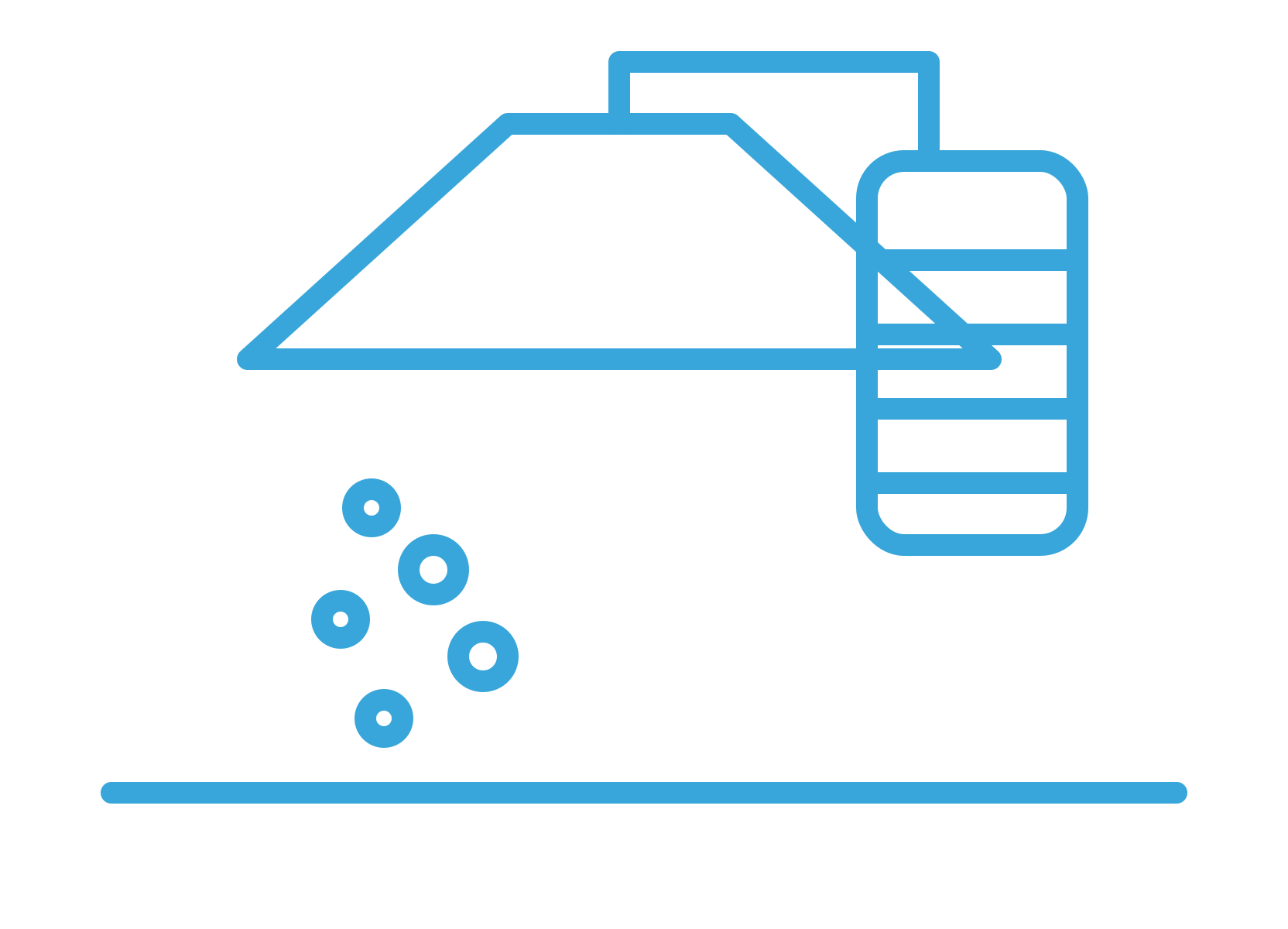
- Discharge System – Transfers the material from the receiver to downstream equipment such as mixers, packaging machines, or reactors.
Step-by-Step Process:
- Material Feeding – Bulk solids or powders are loaded into the system through a hopper or feeding device.
- Vacuum Generation – A vacuum pump creates negative pressure inside the pipeline.
- Material Conveying – The pressure difference pulls material into the pipeline, carrying it through the sealed system.
- Separation & Collection – At the receiver, the material is separated from the conveying air by filters and gravity.
- Discharge – Collected material is discharged into processing or packaging equipment, while filtered air is released back into the atmosphere or recycled.
Applications Across Different Industries
Benefits of Vacuum Transfer Systems
- Dust-Free Operation – Prevents airborne contamination and improves workplace safety.
- Hygienic and Clean – Ideal for industries with strict sanitary requirements.
- Gentle Material Handling – Minimizes product degradation compared to mechanical conveyors.
- Flexibility – Can handle multiple products, different transfer distances, and complex routing.
- Energy Efficiency – Reduces spillage and waste, leading to cost savings.
- Automation Integration – Easily connected with weighing, mixing, and packaging systems for streamlined production.