Aeration
Air Technology in Aeration: Driving Industrial Efficiency and Sustainability
Aeration is a cornerstone process in numerous industries, from municipal wastewater treatment plants to large-scale aquaculture farms and food manufacturing facilities. At its essence, aeration is the controlled introduction of air into a liquid medium to facilitate oxygen transfer, mixing, or chemical interaction. With the rise of modern air technology systems, industries now have the tools to perform aeration with higher precision, energy efficiency, and scalability.
What is Aeration?
Aeration is the process of bringing air into contact with a liquid, typically water, to enrich it with dissolved oxygen (DO) or enhance physical mixing. Dissolved oxygen plays a crucial role in biological and chemical processes, as it sustains microbial activity, supports aquatic organisms, and drives essential reactions in industrial systems.
Key purposes of aeration include:
- Oxygen Transfer – Supplying oxygen to microorganisms or aquatic life.
- Mixing and Agitation – Preventing sedimentation and ensuring uniform conditions.
- Oxidation Processes – Supporting reactions that rely on oxygen, such as the breakdown of contaminants.
- Quality Enhancement – Improving product consistency in food and beverage manufacturing.
There are different methods of aeration, including diffused aeration, mechanical surface aeration, and direct air injection, each powered by air technology to suit specific industrial needs.
Step-by-Step Working Principle of Aeration Using Air Technology
- Air Intake and Compression
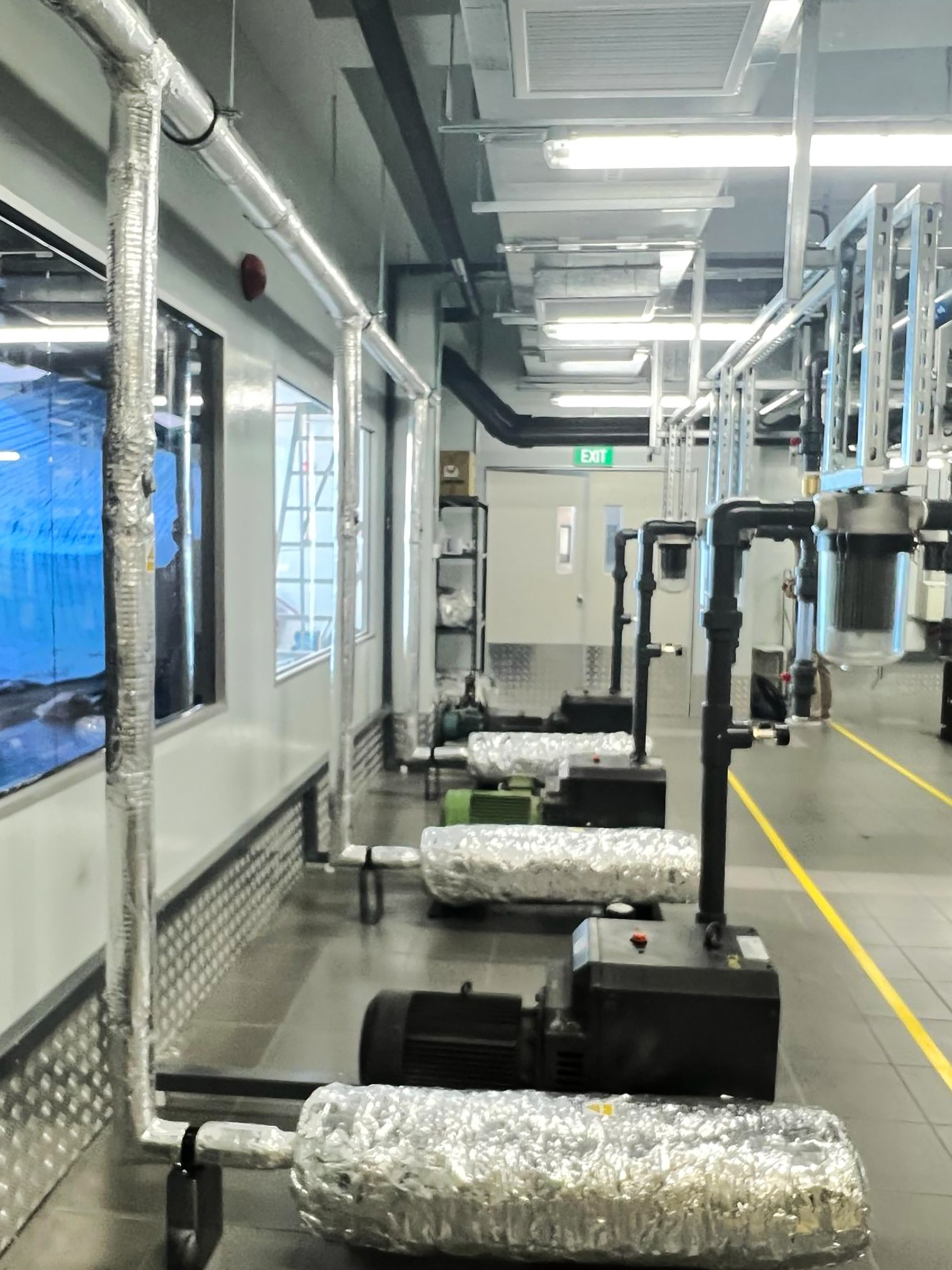
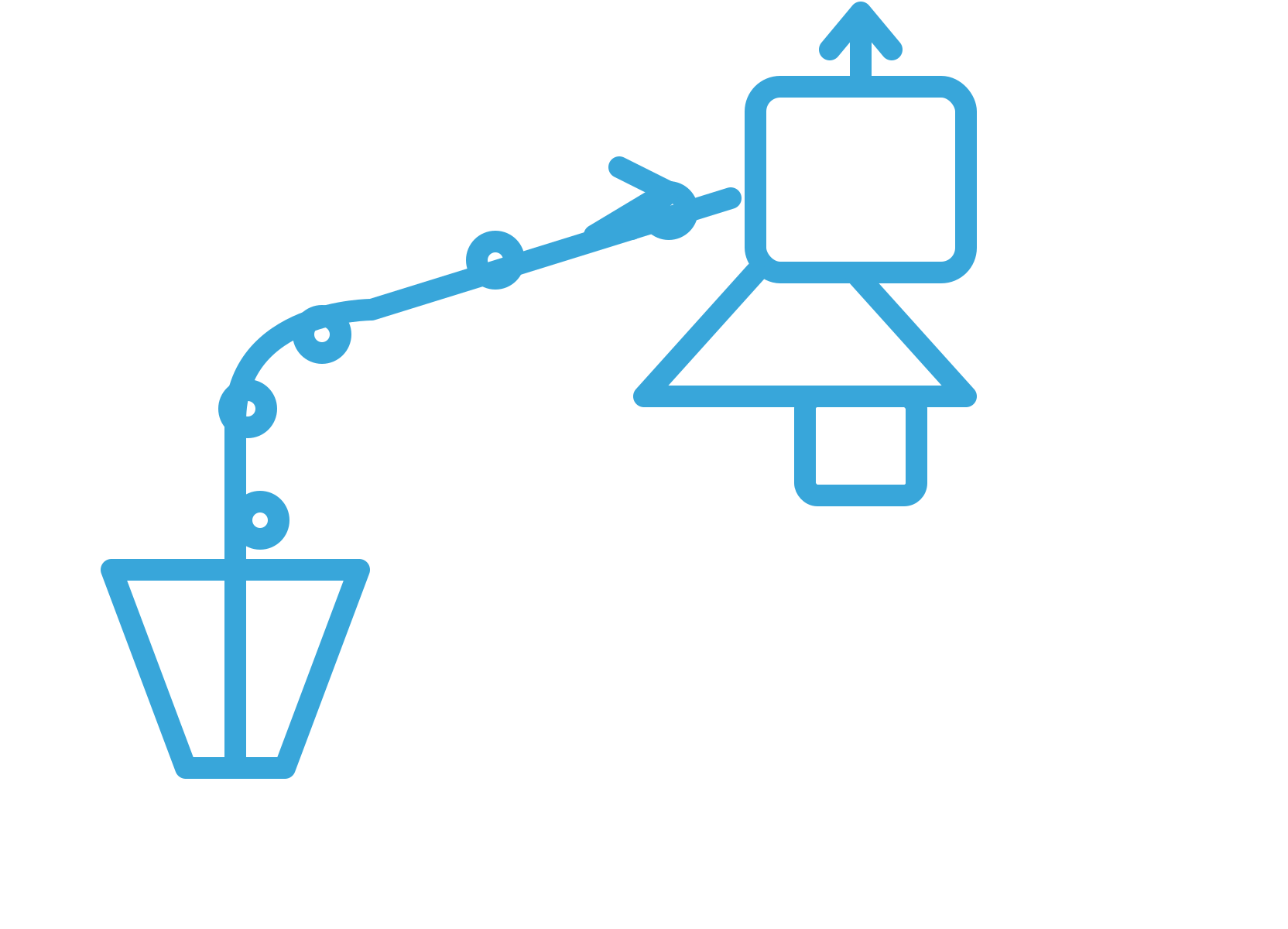
Industrial blowers or compressors draw in ambient air and pressurize it. Low-pressure blowers (e.g., rotary lobe or centrifugal types) are typically used in wastewater aeration tanks, while high-pressure compressors are used in specialized chemical or pharmaceutical processes. - Air Conveyance through Piping Networks
The compressed air is distributed via a piping system that connects to aeration tanks, basins, ponds, or process chambers. Flow regulators and valves are used to control the volume and direction of air precisely. - Air Release via Diffusers or Spargers
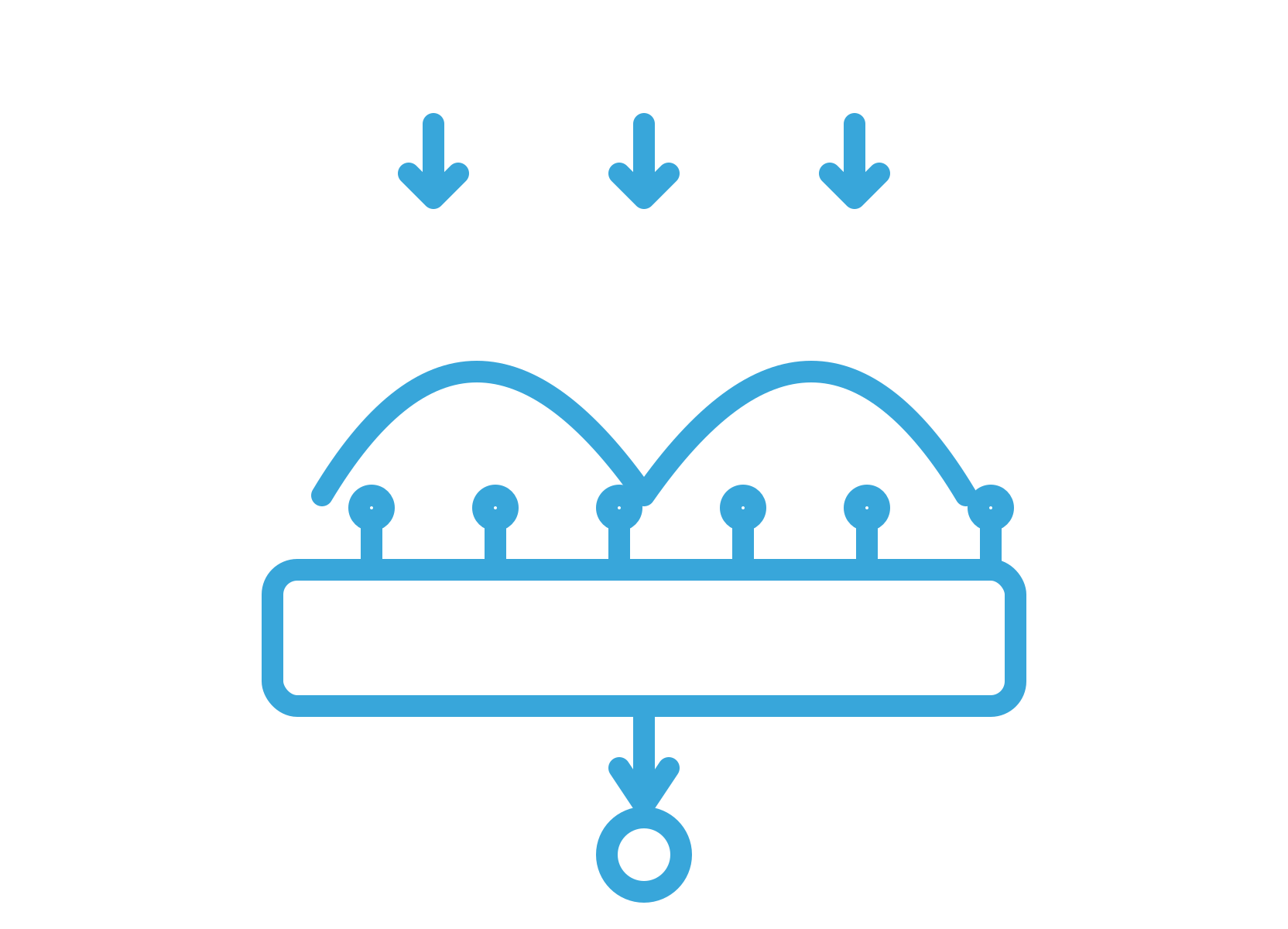
The air is released into the liquid through devices such as fine bubble diffusers, coarse bubble diffusers, or aeration grids.- Fine bubble diffusers generate small bubbles with a high surface area-to-volume ratio, allowing efficient oxygen transfer.
- Coarse bubble diffusers are more robust, promoting mixing and agitation where oxygen transfer efficiency is less critical.
- Oxygen Transfer and Mixing
As the bubbles rise, oxygen dissolves into the liquid while simultaneously stirring the medium. This prevents stagnation, distributes oxygen evenly, and promotes consistent biological or chemical activity. - Automation and Process Control
Advanced aeration systems use dissolved oxygen sensors and programmable logic controllers (PLCs) to adjust airflow automatically. This ensures optimal oxygen levels are maintained without unnecessary energy use.
Applications of Air Technology in Aeration
Municipal and industrial wastewater treatment plants rely heavily on aeration tanks (activated sludge processes). Aeration supplies oxygen to bacteria that break down organic pollutants, nitrogen, and phosphorus. Modern air blowers and fine bubble diffusers make this process more energy-efficient, which is vital since aeration accounts for up to 60% of energy use in wastewater treatment facilities.
Healthy fish and shrimp farming depends on maintaining dissolved oxygen levels in ponds, tanks, and recirculating systems. Aeration systems powered by blowers and diffusers prevent oxygen depletion, reduce stress in aquatic life, and improve overall yield. Without adequate aeration, aquaculture systems risk mass die-offs, reduced growth, and poor water quality.
- In baking, brewing, and fermentation processes, aeration ensures microorganisms such as yeast receive the oxygen needed for proper growth and activity. For instance:
- In breweries, aeration before fermentation boosts yeast performance and flavor consistency.
- In bakeries, aeration improves dough texture and volume.
- In beverage carbonation, controlled air injection ensures product quality and uniformity.
Aeration is often used in oxidation reactions, bioreactors, and mixing processes. Pharmaceutical fermentation processes, for example, rely on precisely controlled aeration to ensure the growth of beneficial microorganisms and the consistent production of active compounds.
Air technology is applied in soil vapor extraction and groundwater remediation projects. Aeration introduces oxygen into contaminated zones, stimulating aerobic microbes that degrade pollutants such as hydrocarbons and solvents.
Benefits of Using Air Technology in Aeration
- High Oxygen Transfer Efficiency – Fine bubble aeration achieves maximum oxygen dissolution rates.
- Energy Savings – Advanced blowers and optimized diffuser systems reduce energy costs, a major factor in large-scale wastewater plants.
- Scalability and Flexibility – Systems can be adapted for small-scale aquaculture farms or large industrial facilities.
- Automation and Control – Smart monitoring systems adjust aeration levels in real time, avoiding over- or under-aeration.
- Environmental Compliance – Proper aeration supports sustainable operations by reducing harmful discharges and improving effluent quality.
Future of Aeration with Air Technology
- The future of industrial aeration lies in energy-efficient and digitally controlled systems. Emerging technologies such as variable frequency drive (VFD) blowers, membrane diffusers with ultra-fine bubble production, and AI-based monitoring systems are pushing aeration efficiency even further. These advancements help industries meet tightening environmental regulations while lowering operational costs.