
Applications

Vacuum Drying

Vacuum Drying: Revolutionizing Industrial Processes

In modern industries, efficiency, quality, and consistency are key. One technology that has become indispensable in achieving these goals is vacuum drying. By removing air, moisture, and gases under controlled vacuum conditions, industries can ensure superior product quality, faster production cycles, and reduced defects.

What is Vacuum Drying?

Vacuum drying is a process that removes moisture from materials by lowering the pressure around them, causing water and other solvents to evaporate at lower temperatures. This method is especially valuable for heat-sensitive materials, as it prevents degradation while ensuring thorough drying.

How Vacuum Drying Supports Vacuum Degassing?

  • Vacuum drying and degassing often work hand-in-hand in industrial applications:
  • Moisture Removal: Vacuum drying reduces water or solvent content in a material, preventing bubbles from forming during later processing stages.
  • Gas Elimination: The vacuum environment allows dissolved gases to escape more easily, enhancing degassing efficiency.
  • Temperature Control: Low-pressure environments enable drying and degassing at lower temperatures, preserving heat-sensitive compounds or materials.

Industrial Applications

Chemical Industry

IndustryVacuum drying ensures chemical powders, resins, and sensitive compounds are dried without thermal degradation. Degassing liquid chemicals prevents bubble formation, ensuring accurate dosing and stable reactions.

Food and Beverage

Vacuum drying is widely used for freeze-drying fruits, coffee, and dairy products. Degassing removes air bubbles in syrups and oils, improving texture, shelf-life, and taste consistency.

Pharmaceuticals

In pharmaceuticals, precise moisture content is critical. Vacuum drying ensures powders and granules meet strict regulatory standards, while degassing liquid formulations prevents inconsistencies in potency and prevents oxidation.

Metallurgy and Casting

Vacuum degassing is essential for molten metals to remove dissolved gases that cause porosity or weak spots in castings. Coupled with vacuum drying for additives, it ensures high-quality metal products.

Polymers and Electronics

In polymer processing, vacuum drying removes residual solvents, and degassing prevents bubbles in resins or coatings. In electronics, vacuum degassing ensures defect-free encapsulations and coatings for sensitive components.
How a Vacuum Drying System Works

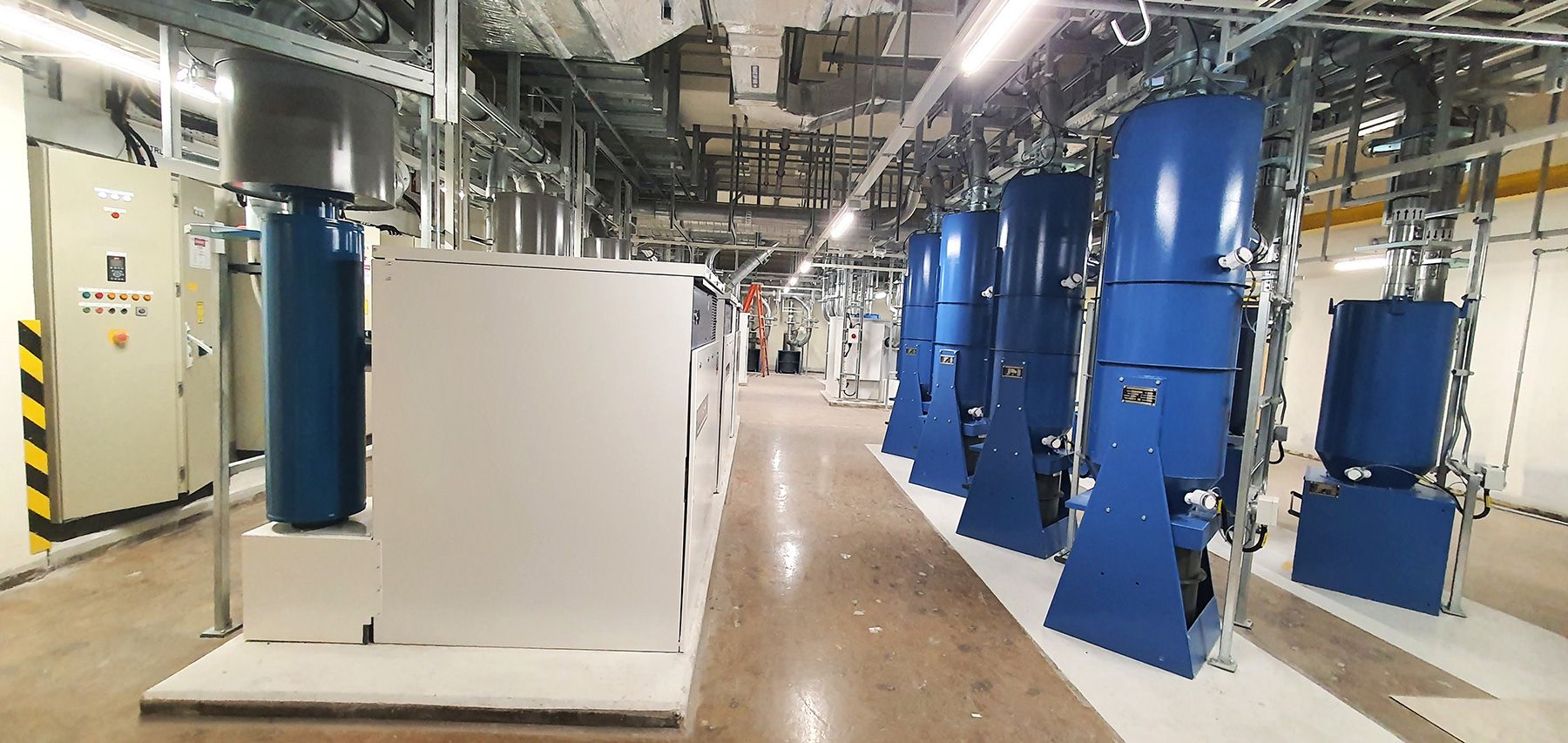
A typical vacuum drying and degassing system consists of:

  • Vacuum Pumps: Create the low-pressure environment required for drying.
  • Chambers or Tanks: Where materials are placed and subjected to vacuum.
  • Heating Elements: Used when necessary to accelerate moisture 
  • Control Systems: Monitor pressure, temperature, and timing to optimize the process.

Process Overview:

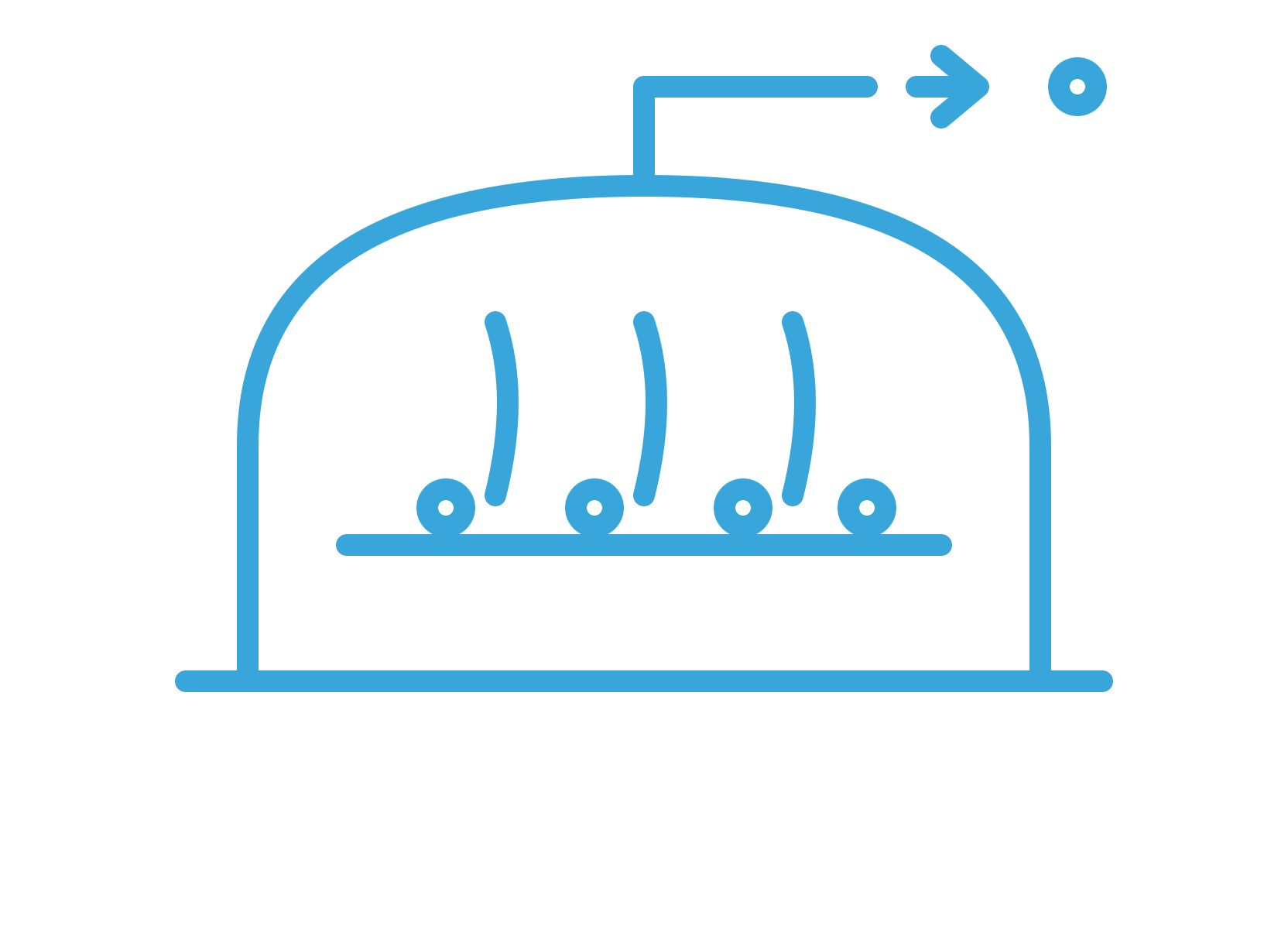
  • Material is loaded into the vacuum chamber.
  • The vacuum pump reduces pressure, lowering the boiling point of moisture or solvents.
  • Moisture and gases are drawn out, often collected in a condensate trap.
  • The system maintains precise control to avoid overheating or material degradation.

Benefits of Vacuum Drying:

  • Improved Product Quality: Fewer defects, bubbles, and impurities.
  • Energy Efficiency: Lower operating temperatures reduce energy costs.
  • Faster Production Cycles: Rapid moisture and gas removal accelerate processing.
  • Versatility: Suitable for powders, liquids, metals, polymers, and food products.

Solutions

Technology

Brands: