Gripper Vacuum
Vacuum Technology in Gripper & Wafer Handling
In modern industries the demand for accurate, secure, and automated management of sensitive materials is at an all-time high.. Vacuum technology makes this possible, especially through vacuum grippers and wafer handling systems, which have become essential in advanced manufacturing sectors. These technologies reduce human error, improve throughput, and ensure product integrity across industries such as semiconductors, electronics, automotive, glass, pharmaceuticals, and food processing.
Vacuum Gripper Applications Across Industries
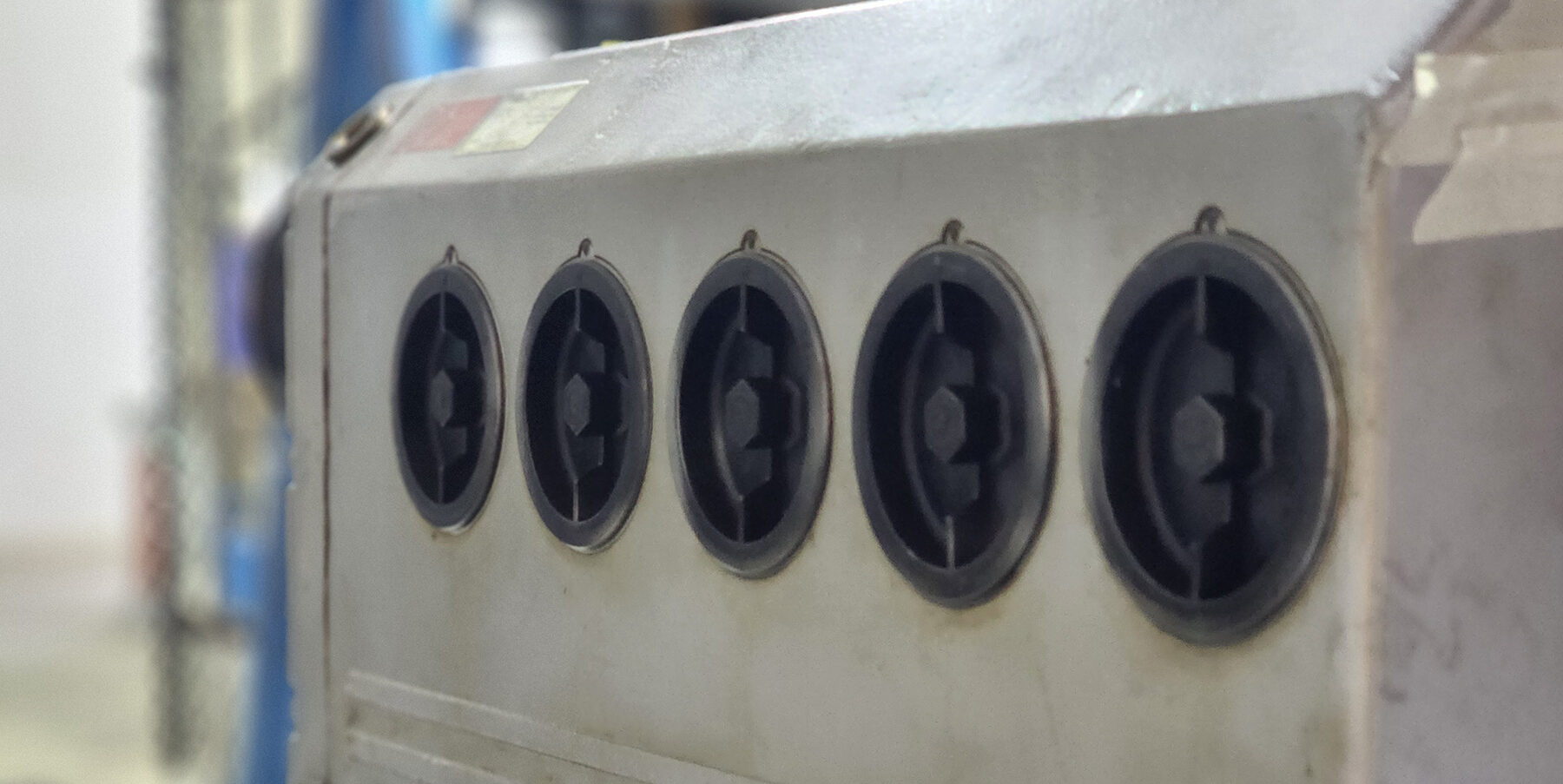
Vacuum grippers rely on suction cups, pads, or custom-designed end-effectors to secure objects of varying shapes and surfaces. Their versatility and non-damaging nature make them a preferred handling solution in many industries.
- In printed circuit board (PCB) assembly, vacuum grippers are used in robotic pick-and-place machines to lift microchips and components, ensuring alignment without static discharge or pressure damage.
- Handling flat panel displays (LCD/OLED) where thin glass substrates must be moved without cracking or scratching.
- Vacuum grippers lift and position large photovoltaic glass sheets for lamination and testing.
- Architectural glass handling: Automated lines use grippers to manage heavy and fragile glass panes in window and façade production.
- Automated packaging lines use vacuum grippers to pick up bottles, cartons, or sachets without crushing or deforming them.
- In bakeries or confectionery plants, vacuum pads carefully lift delicate pastries, chocolates, or bread loaves, ensuring hygiene and product integrity.
- Vacuum grippers handle sterile blister packs, syringes, and vials in cleanrooms with zero contamination.
- In medical device assembly, grippers transport miniature components such as catheters or sensors that are too small for mechanical handling.
- Wafer handling systems are highly specialized solutions, originally developed for semiconductor fabs, but now extending into solar, optics, and advanced materials. They provide non-contact, contamination-free, and precise movement of thin wafers or substrates.
- Vacuum wafer handlers transfer wafers between deposition, photolithography, etching, and testing stations with micrometer precision.
- They minimize particle contamination, ensuring high yield in chip production where even a tiny defect can cause rejection.
- Photovoltaic manufacturing uses vacuum handlers to process silicon wafers that are thinner and larger than standard semiconductor wafers.
- Automated wafer handling improves throughput in mass solar cell production while reducing breakage rates.
- Handling of optical wafers, laser substrates, and precision lenses requires vacuum-based systems to prevent scratches or dust contamination.
- In LED production, wafer handlers move sapphire wafers used as the base material.
- MEMS devices (used in sensors, gyroscopes, microphones, etc.) are manufactured on silicon wafers and require delicate transfer systems that prevent vibration and breakage.
- Compound Semiconductor Industry
- Gallium Arsenide (GaAs) or Silicon Carbide (SiC) wafers, used in power electronics and 5G devices, are more brittle than silicon and depend heavily on specialized vacuum wafer handlers for safe transport.