Our Solutions

Centralised Systems

Centralised Vacuum System Solutions by Western Pneumatic Pte Ltd

Engineered for Performance, Sustainability and the Future

What Is a Centralised Vacuum System?

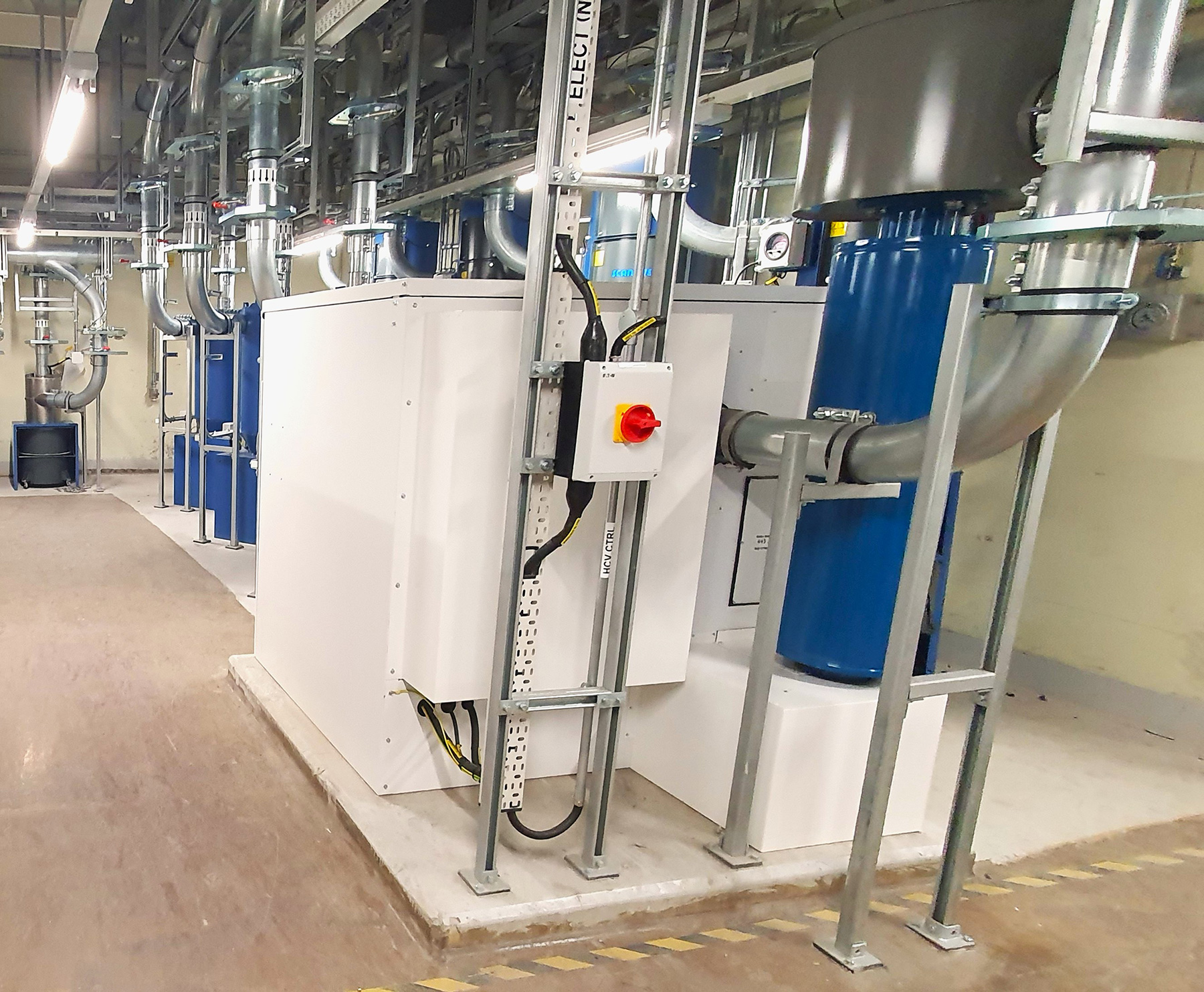
A centralised vacuum system is an integrated industrial infrastructure that supplies controlled vacuum from a central vacuum plant to multiple points of use across a facility. By replacing numerous standalone vacuum pumps with a single engineered system, organisations benefit from improved energy efficiency, enhanced reliability, simplified maintenance and consistent vacuum performance.

In modern industrial environments, centralised vacuum systems play a critical role not only in production and facility operations, but also in energy management, sustainability initiatives and smart manufacturing strategies. When properly designed, they form a long-term utility asset that supports both operational performance and environmental responsibility.

Western Pneumatic Pte Ltd specialises in the engineering, installation and lifecycle management of centralised vacuum systems, ensuring each solution is aligned with application requirements, energy targets and future expansion needs.

Sustainability and Energy Conservation Built into Every System

Each centralised vacuum plant designed by Western Pneumatic is thoughtfully engineered with advanced energy-efficient technologies, ensuring alignment with global sustainability goals, ESG frameworks, and carbon-reduction initiatives.

Although centralised vacuum systems share a common backbone of vacuum pumps, pipework and control architecture, the demands placed on the system vary significantly depending on how vacuum is used. Manufacturing processes require stable pressure and contamination control. Facility cleaning prioritises airflow and hygiene. Material conveying demands precise flow control and dust containment, while fluid transfer focuses on safety and reliability.

By adopting a modular and application-driven engineering approach, a single central vacuum plant can be configured to support multiple functions across a site. This flexibility allows facilities to standardise equipment, optimise energy usage and simplify long-term maintenance.

To achieve this, Western Pneumatic delivers four main categories of centralised vacuum systems:
Central Process Vacuum System

Central Vacuum-Cleaning System

Pneumatic Conveying System

Fluid Transfer System

Each system type is designed to address a specific operational requirement while sharing the benefits of a centralised, energy-efficient vacuum infrastructure.

Central Process Vacuum Systems

Stable, Continuous Vacuum for Critical Manufacturing Processes

A Central Process Vacuum System is designed to provide precise, continuous and contamination-free vacuum to production equipment across a facility. Unlike standalone pumps connected directly to individual machines, a central process vacuum plant delivers vacuum from a shared, controlled source, ensuring uniform performance and high system reliability.

These systems are essential where vacuum quality directly affects product yield, process stability and regulatory compliance. By centralising vacuum generation, facilities reduce energy usage, simplify maintenance and eliminate the risk of unexpected process downtime.

Common Applications

  • Semiconductor wafer processing
  • PCB and electronics manufacturing
  • Vacuum furnaces and heat treatment
  • Thin-film coating and sputtering
  • Pharmaceutical vacuum drying
  • Tablet coating and blister packaging
  • Chemical filtration and distillation
  • Degassing of resins and polymers
  • Food freeze-drying and dehydration
  • Vacuum centrifuges and filtration systems

By centralising vacuum generation and applying intelligent control strategies, process vacuum systems achieve higher uptime, lower energy usage and improved process stability.

Central Vacuum Cleaning Systems

High-Efficiency, Hygienic Cleaning for Large Facilities

A Central Vacuum Cleaning System delivers powerful suction throughout a building via a fixed pipe network connected to a central vacuum plant. Cleaning is performed using lightweight hoses connected to wall or floor inlets, while dust and debris are transported to a remote collection unit.

This approach provides stronger suction, quieter operation and improved hygiene compared to portable vacuum cleaners, making it particularly suitable for regulated and clean environments.

Common Applications

  • Pharmaceutical and GMP cleanrooms
  • Semiconductor fabrication facilities
  • Food and beverage processing plants
  • Hospitals, laboratories and healthcare facilities
  • Industrial workshops and machine shops
  • Warehouses and logistics centres
  • Battery manufacturing and electronics plants

With high-efficiency filtration and demand-controlled operation, central vacuum cleaning systems support cleanliness standards while keeping energy consumption under control.

Pneumatic conveying Systems

Automated, Dust-Free Transfer of Powders and Bulk Solids

A Pneumatic Conveying System is a vacuum-driven material handling system that transports powders, granules and bulk solids through sealed pipelines using negative pressure. Vacuum conveying is one of the most efficient and hygienic methods of material transfer in modern industrial facilities.

These systems protect product quality, reduce dust exposure and improve production efficiency. Because the conveying line is fully enclosed, the risk of contamination, spillage and material loss is minimised. 

Common Applications

  • Food ingredients such as flour, sugar, cocoa and spices
  • Pharmaceutical powders and active ingredients (APIs)
  • Nutraceuticals and dietary supplements
  • Plastic pellets and polymer granules
  • Chemical powders, pigments and additives
  • Battery materials and metal powders
  • Cement, lime and mineral products

Through careful system sizing, pipeline optimisation and intelligent control, pneumatic conveying systems deliver reliable material flow with minimal energy input and low product loss.

Fluid Transfer Systems

Safe, Reliable Vacuum-Driven Liquid Handling

A Fluid Transfer System uses vacuum to move liquids, slurries and chemical fluids without mechanical pumps in direct contact with the product. By creating negative pressure, liquids are drawn into collection vessels and safely transferred through a closed system.

Vacuum fluid transfer is ideal for applications involving hazardous, corrosive, viscous or high-purity liquids, where safety, cleanliness and reliability are critical. These systems also reduce maintenance by eliminating seals, impellers and moving parts in the process stream.

Common Applications

  • Chemical and solvent transfer
  • Acid and caustic liquid handling
  • Pharmaceutical liquid dosing and transfer
  • Wastewater and sludge removal
  • Oil, coolant and lubricant recovery
  • Tank filling and draining operations
  • Spill containment and emergency cleanup
  • CIP (Clean-in-Place) and washdown systems

Vacuum fluid transfer systems offer a reliable, low-maintenance solution that prioritises safety, efficiency and operational control.

A Long-Term Partner in Centralised Vacuum Engineering

Centralised vacuum systems represent a long-term investment in a facility’s operational efficiency and sustainability. When
engineered correctly, they reduce energy consumption, improve reliability and adapt easily to future production needs.
Western Pneumatic Pte Ltd supports clients throughout the full lifecycle of their vacuum infrastructure — from initial concept and system design to installation, commissioning and ongoing maintenance — ensuring dependable performance and lasting value.

Applications:

Technology

Brands: