Driving Innovation with Air Technology in Singapore’s Wastewater Industry
Singapore’s wastewater sector is globally recognized for its sustainability, engineering innovation, and circular water management. Behind this success is a suite of advanced technologies — and among the most vital is air technology.
From biological treatment and membrane cleaning to pneumatic conveyance and chemical dosing, air plays a critical role across every stage of wastewater treatment. In particular, Air Operated Double Diaphragm (AODD) pumps, aeration systems, and air scouring solutions enable Singapore’s plants to operate efficiently, hygienically, and reliably — all while minimizing environmental impact.
As Singapore continues to push the boundaries of water innovation, air-powered systems remain central to this mission.
Key Applications of Air Technology in Wastewater Treatment
Biological Treatment Through Aeration
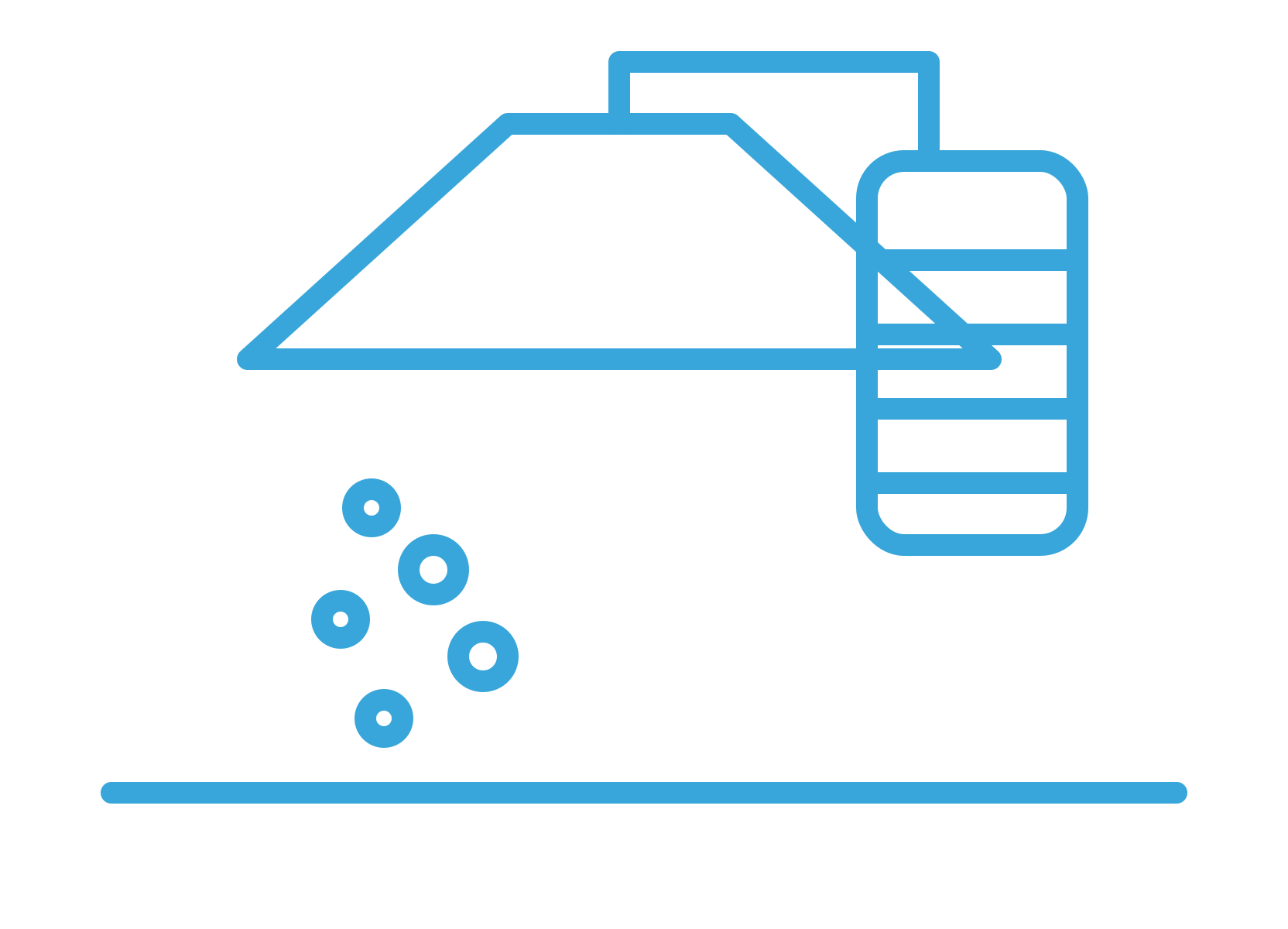
Aeration is perhaps the most prominent use of air in wastewater plants. In activated sludge systems, compressed air is diffused into wastewater to supply oxygen to aerobic bacteria, which break down organic pollutants.
Application in Singapore: Aeration is central to biological processes at key treatment facilities like Changi Water Reclamation Plant, where advanced membrane bioreactors and aeration grids are integrated for high-efficiency treatment.
Air Scouring of Membranes
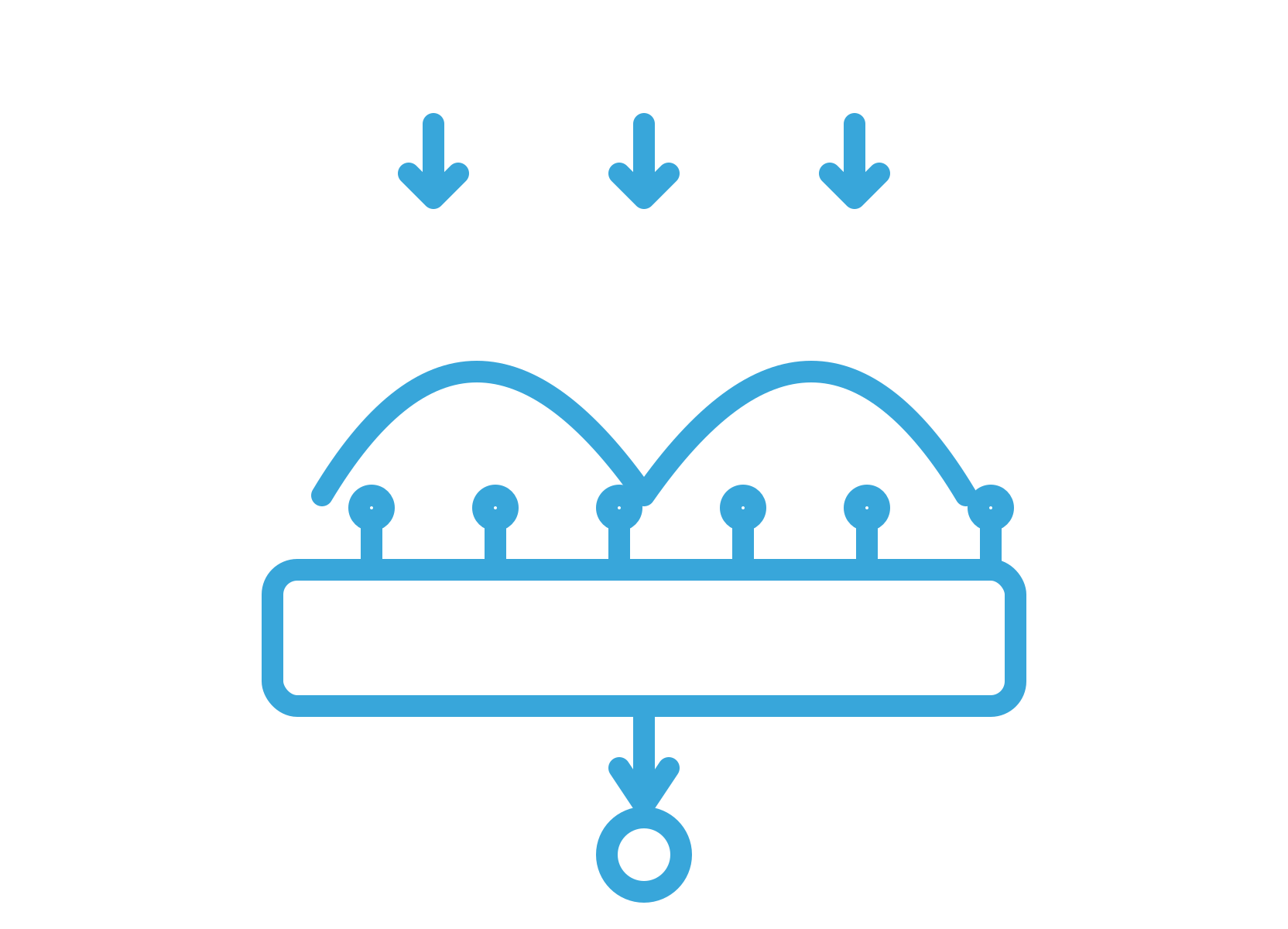
In advanced treatment stages such as ultrafiltration and reverse osmosis (RO) used in producing NEWater, air technology is used for membrane cleaning. High-purity compressed air is used to dislodge fouling materials from the surface of membranes in a process called air scouring.
Benefit: Extends membrane lifespan, reduces chemical cleaning frequency, and ensures consistent water quality.
Pneumatic Conveying and Mixing
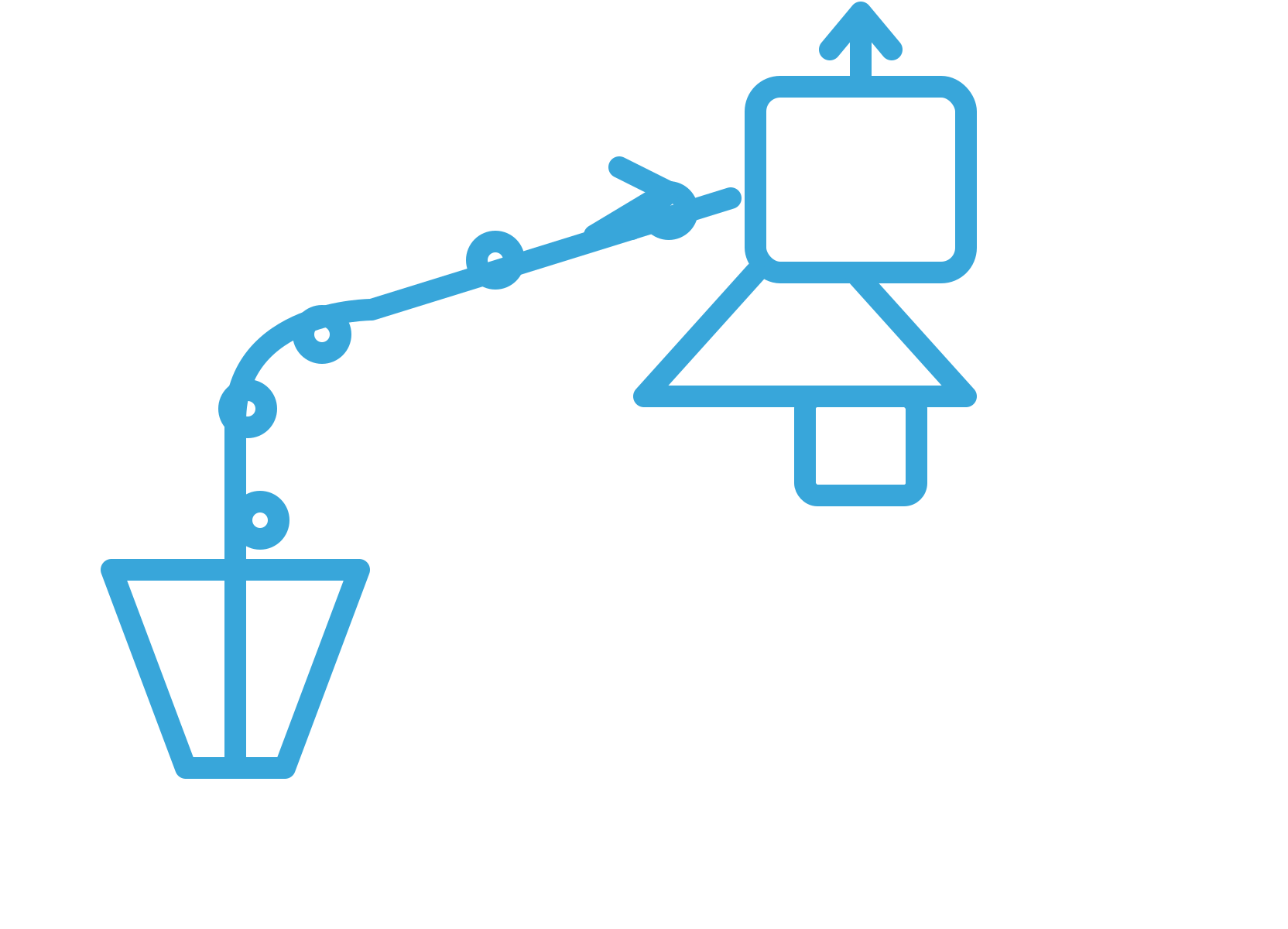
Air is also used to transport solids, such as grit and biosolids, through closed pipelines via pneumatic conveying. Additionally, air mixing systems are employed in equalization basins and sludge digesters to maintain uniformity and prevent sedimentation.
Benefit: Reduces mechanical maintenance, eliminates odor, and improves mixing efficiency
Air Operated Double Diaphragm (AODD) Pumps for Sludge, Chemical, and Waste Handling
AODD pumps are a cornerstone in modern wastewater plants for their ability to handle abrasive, viscous, and shear-sensitive fluids with minimal maintenance. Operated by compressed air, they are safe for hazardous or explosive environments and ideal for applications such as:
Sludge transfer: Suction-lift capability allows for effective pumping of sludge from sumps, thickeners, or digesters.
Chemical dosing: Accurately handles polymers, acids, alkalis, and coagulants used in water treatment.
Tank emptying & wastewater draining: Pumps solids-laden wastewater without clogging or wear.
Benefit: Self-priming, dry-run capable, and explosion-proof — ideal for confined plant spaces.
Odor Control via Air Extraction and Filtration
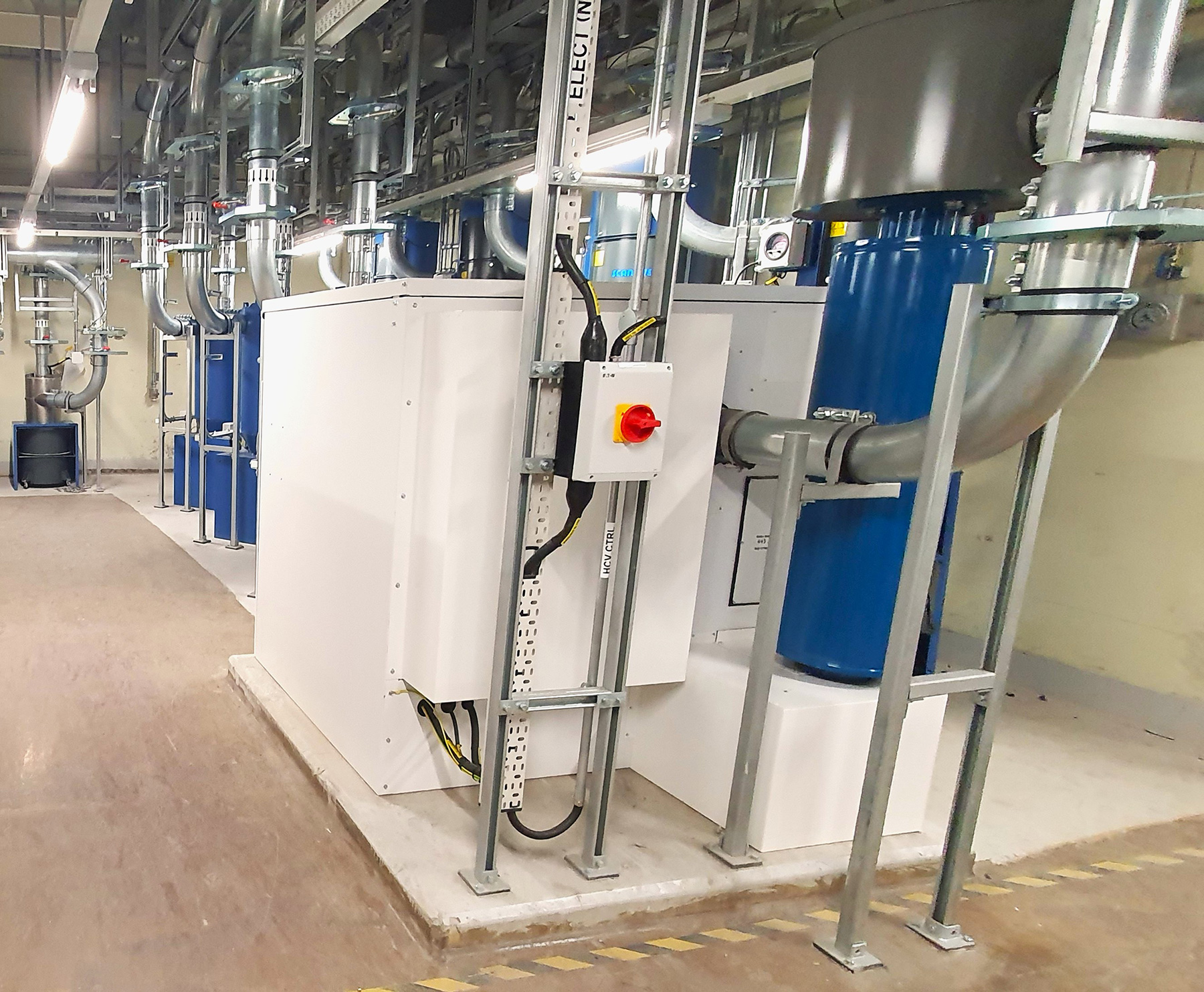
In facilities located close to residential zones, air ventilation and scrubbing systems are critical. Foul air from sludge holding tanks, digesters, or headworks is extracted and passed through biofilters or activated carbon systems for deodorization.
Benefit: Enhances worker and community safety; complies with NEA odor control regulations.
Conclusion: Air Technology – A Core Pillar in Singapore’s Water Strategy
In Singapore’s evolving water landscape, air technology provides the flexibility, reliability, and efficiency required to meet growing water demands, stricter environmental standards, and ambitious sustainability targets.
From aeration and odor control to AODD pumping and air scouring, these systems are the unseen engines driving wastewater transformation. As the industry moves toward smart water management, circularity, and zero-discharge goals, air-powered technologies will remain indispensable — making every breath of air a force for cleaner water.